Family Life
Teaching Your Child to Forgive: The Quiet Strength That Outlasts Every Wound
Of all the lessons we hand our children, forgiveness may be the hardest and the most lasting. This warm letter to parents explores why a forgiving heart is a strength rather than a surrender, and how the quiet example we set at home shapes the grace our children will carry for life.
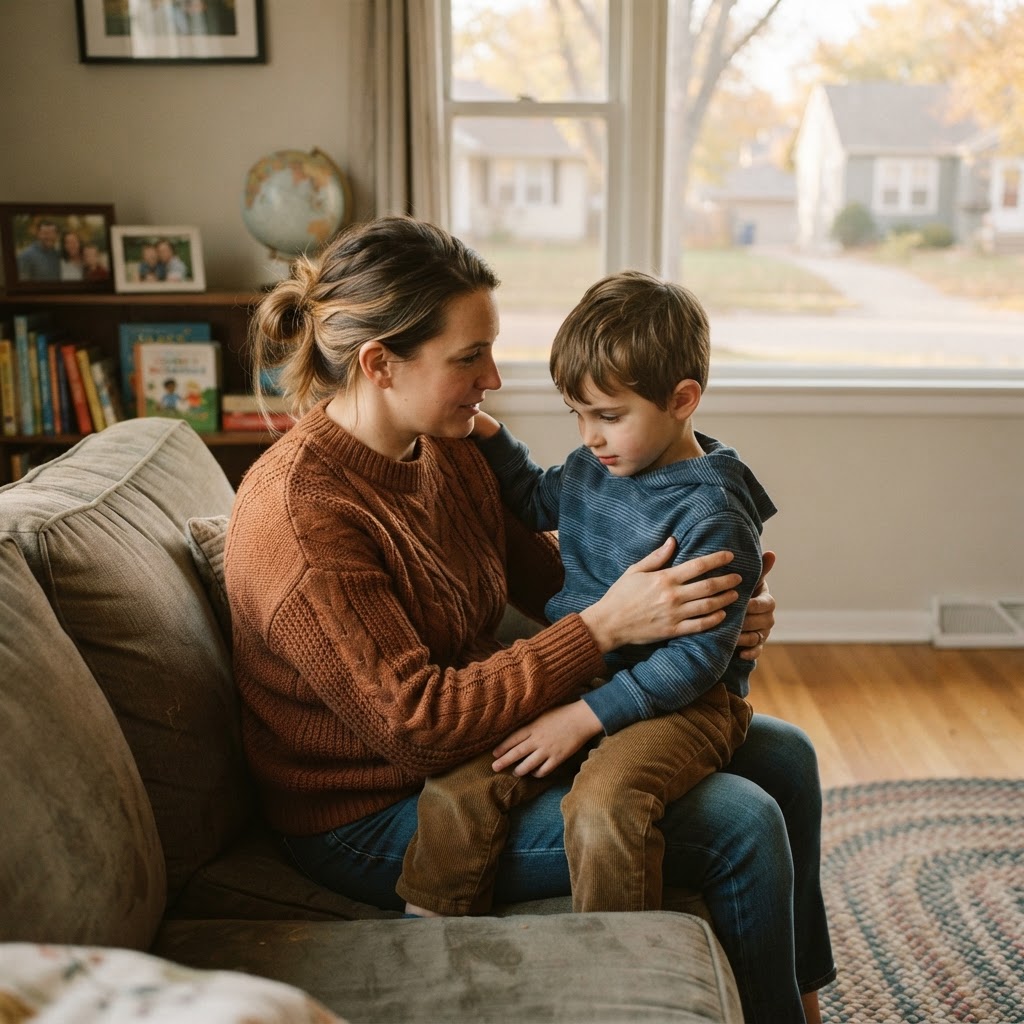
Dear parent, of all the things you will teach the child in your care, few will feel harder or matter more than this one: how to forgive. You can teach a child to read, to ride a bike, to mind their manners, and to finish what they start. But the day they come to you with a wound in their heart — a friend who turned cruel, a sibling who broke a promise, a teacher who was unfair — you will discover that forgiveness is the lesson that asks the most of both of you. It cannot be drilled like spelling words. It has to be lived, and it has to be shown.
The first thing worth saying is that forgiveness is not the same as pretending. Children are sharp, and they know the difference between a real hurt and a small one. When we rush them past their pain with a hurried "just say sorry and move on," we teach them that peace is something you fake rather than something you build. Real forgiveness begins by naming the wrong honestly. It is good and right to sit beside your child and say, "Yes, that did hurt. What he did was unkind." Only when a child feels that their pain has been seen can they begin to lay it down. We do not ask them to call the wound nothing; we ask them, in time, to stop letting it own them.
The second truth is that forgiveness is a strength, not a surrender. Somewhere our culture got the idea that holding a grudge is how you protect yourself, that staying angry is how you stay strong. But any honest adult knows the opposite is true. Resentment is a heavy thing to carry, and it grows heavier with the years. The child who learns early to release an offense — not because the offense did not matter, but because they refuse to let bitterness make a home in them — is the child who grows into a free and steady adult. Teach your children that forgiving someone does not mean what they did was acceptable. It means your child is choosing not to drink the poison of anger while waiting for the other person to suffer.
Third, and this is the part that costs us most, children learn to forgive by watching us forgive. They are studying you far more closely than you imagine. They hear how you speak about the relative who wronged you, the neighbor who was rude, the person at church who let you down. When you choose grace in a moment where you could have chosen grievance, you are writing on their hearts a lesson no lecture could match. And when you fail — when you snap, hold a grudge, or speak with a sharp tongue — the most powerful thing you can do is go back, own it, and ask their forgiveness. A parent who says "I was wrong, and I am sorry" raises children who know that humility is not weakness but courage wearing its plainest clothes.
There is a quieter work here, too, one that happens between you and God long before it reaches your child. Forgiveness is woven through the heart of our faith, which tells us that we have all been forgiven a debt far greater than any owed to us. When we teach a child to forgive, we are not merely managing the squabbles of the playground. We are handing them the very pattern of grace — the understanding that mercy received is meant to be mercy given. The child who grasps this early carries a kind of armor into adulthood. Marriages will test it. Friendships will strain it. The world will hand them every reason to keep score. But a heart trained in forgiveness does not crumble under offense; it bends, and then it stands again.
So be patient with the long work of it. Your child will not forgive perfectly, and neither will you. There will be slammed doors and stubborn silences and apologies that come three days too late. That is not failure; that is the shape of learning something hard and holy. Keep showing them. Keep naming hurts honestly, keep choosing grace where you can, keep going back when you fall short. One day, perhaps years from now, you will watch your grown child extend mercy to someone who did not deserve it, and you will understand that the quiet lessons of your kitchen table took root after all. That is the kind of strength no one can take from them. And it began with you.
Comments
No comments yet — be the first to share your tips!
Leave a Comment
Free: Where Kids Eat Free in Omaha
Our verified guide to 20+ Omaha restaurants where kids eat free (or cheap) — mapped out for every day of the week. Plus our free Thursday newsletter for Omaha families.
Join Omaha families getting the free weekend guide · No spam, unsubscribe anytime.
Read Next
More Omaha stories for your family

Family Life · Oct 27, 2026
Challenge Island Omaha Northwest: Screen-Free STEAM Fun for Omaha Kids (Sponsored)
Award-winning, hands-on STEAM classes, camps, Girl Scout badge workshops and birthday parties for Omaha kids, with no screens in sight. (Sponsored)

Family Life · Sep 16, 2026
Celebrate at BounceU for Birthday Parties and much more! (Sponsored)
BounceU of Omaha is one of the few truly 100% private kids party venues in Omaha — two arenas of inflatables, Party Pros who handle setup and cleanup, and weekly Open Bounce sessions for the whole family. (Sponsored)
Family Life · Jul 20, 2026
Tell Them Where They Come From: Why Your Children Need the Family Stories Only You Can Give
Your children are hungry for something no store sells and no screen streams: the stories of their own people. When you tell them where they come from, you give them roots, courage, and a place in a story bigger than themselves.
Happening in Omaha Soon



Sponsored

Nobility Digital Marketing
Websites, marketing, and automation that grow your business.
