Family Life
The Quiet Strength of Patience: Raising Children Who Can Wait
Patience is not a virtue children are born with; it is one we have the chance to grow in them. A warm letter to parents on how waiting well is taught through example, small disappointments, and steady, reliable love.
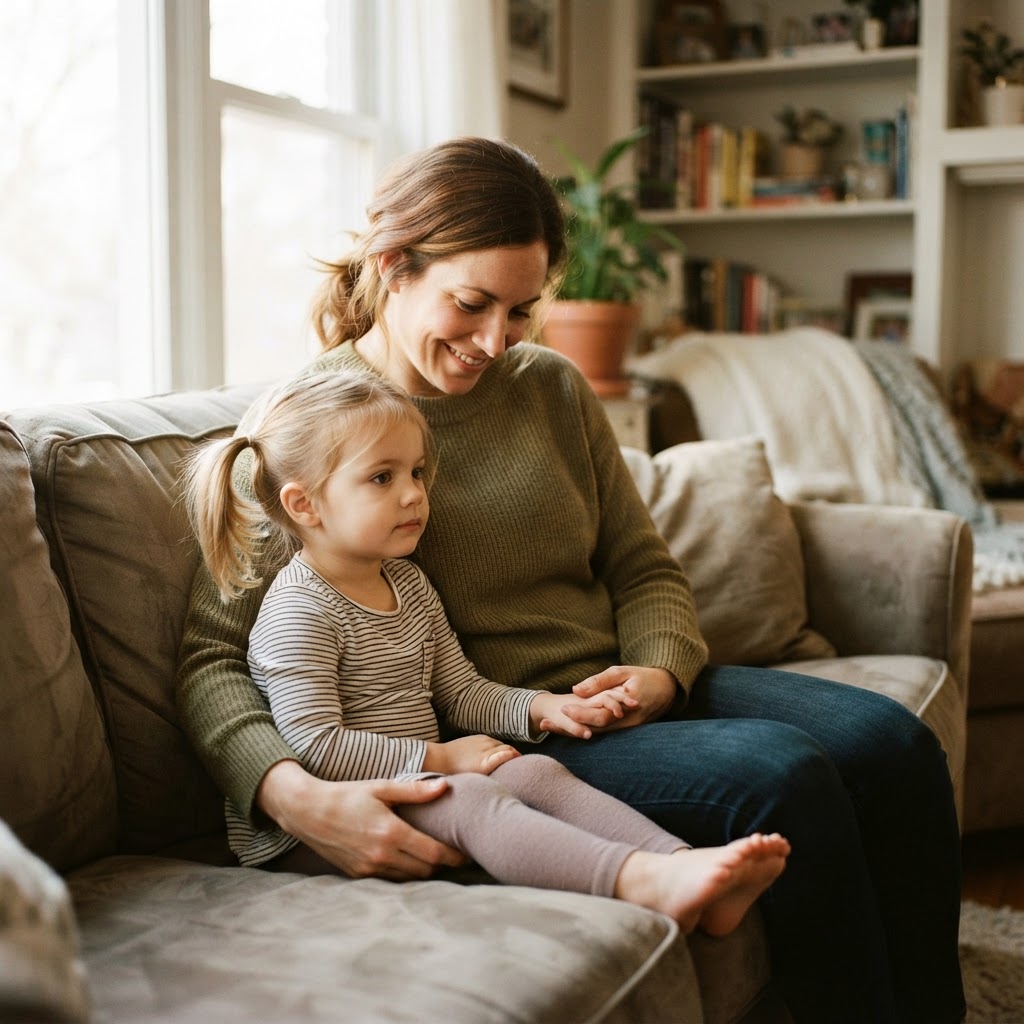
Dear parent, if you have ever stood in a kitchen with a child tugging at your sleeve, asking for the same thing for the fifth time in a single minute, you already know that patience is not a virtue we are born with. It is one we are given the chance to grow. And here is the quiet truth that took me years to understand: the patience you hope to see in your children one day begins with the patience you are practicing, often invisibly, today. Teaching a child to wait well may be one of the most unglamorous tasks of parenting, and also one of the most lasting gifts you will ever place in their hands.
We live in a time that has nearly forgotten how to wait. A question is answered before it is fully asked. A craving is satisfied before it is felt. Convenience has its blessings, but it has also quietly taught a generation that waiting is a kind of failure, that any delay is a problem to be solved rather than a season to be lived. Into this current you are raising a child, and you have the chance to hand them something the world no longer offers freely: the strength to wait without falling apart, to want something good and trust that good things are worth the wait.
The first thing worth remembering is that patience is taught far more by example than by instruction. Children are watching how you respond when the line is long, when the day is hard, when the plan falls through. They learn the temperature of your home not from your lectures but from your reactions. When you take a breath instead of snapping, when you speak gently to the slow cashier, when you wait on a difficult answer rather than forcing one, you are teaching a lesson no worksheet could ever deliver. This is humbling, because it means our children inherit not only our words but our composure, or the lack of it. Yet it is also freeing, because it means the work of raising patient children is the same work of becoming a steadier person ourselves.
The second thing is that patience grows in the soil of small disappointments, and so we must resist the urge to remove every one. It is tempting, out of love, to spare our children any moment of longing. We rush to fill the silence, to soothe the boredom, to give the thing before it is even requested. But a child who never waits never learns that they can survive the waiting. When we let them sit with a small ache, when we say "not yet" and mean it kindly, we are not withholding love. We are building in them a quiet confidence that they can endure the gap between desire and fulfillment. That confidence will serve them in friendships, in marriage, in work, in faith, long after we are gone.
The third thing, and perhaps the tenderest, is that patience is finally rooted in trust. A child waits well when they believe that the one in charge is good and will not forget them. This is why a home of steady promises kept matters so much. When you say you will be there and you are, when you say the day will come and it does, you are teaching your child that waiting is safe because love is reliable. Many of us learned to trust a faithful God in just this way, through parents whose steadiness made it possible to believe that the One who made us has not lost track of our needs. The patient child is often, underneath it all, a child who has learned to feel held.
And so the fourth thing is the gentlest of all: be patient with yourself in the teaching of it. You will lose your temper. You will rush when you meant to slow down. You will give in when you meant to hold the line. This does not undo the work. A child learns as much from watching you recover from impatience as from watching you avoid it, because they need to know that calm can be returned to, that a hard moment is not the end of the day. Let your home be a place where everyone, including you, is allowed to begin again.
None of this happens in a single season. Patience is grown the way a tree is grown, slowly, through more weather than we would choose, with roots we cannot see. There will be ordinary afternoons when it feels like nothing is taking hold, and then one day your grown child will wait kindly for someone, or hold their own restless little one with a calm you recognize, and you will understand that the lessons took root after all. So take heart, dear parent. The patience you are practicing in the small and unseen hours is not lost. It is being planted. And in time, in its own time, it will grow.
Comments
No comments yet — be the first to share your tips!
Leave a Comment
Free: Where Kids Eat Free in Omaha
Our verified guide to 20+ Omaha restaurants where kids eat free (or cheap) — mapped out for every day of the week. Plus our free Thursday newsletter for Omaha families.
Join Omaha families getting the free weekend guide · No spam, unsubscribe anytime.
Read Next
More Omaha stories for your family

Family Life · Oct 27, 2026
Challenge Island Omaha Northwest: Screen-Free STEAM Fun for Omaha Kids (Sponsored)
Award-winning, hands-on STEAM classes, camps, Girl Scout badge workshops and birthday parties for Omaha kids, with no screens in sight. (Sponsored)

Family Life · Sep 16, 2026
Celebrate at BounceU for Birthday Parties and much more! (Sponsored)
BounceU of Omaha is one of the few truly 100% private kids party venues in Omaha — two arenas of inflatables, Party Pros who handle setup and cleanup, and weekly Open Bounce sessions for the whole family. (Sponsored)
Family Life · Jul 20, 2026
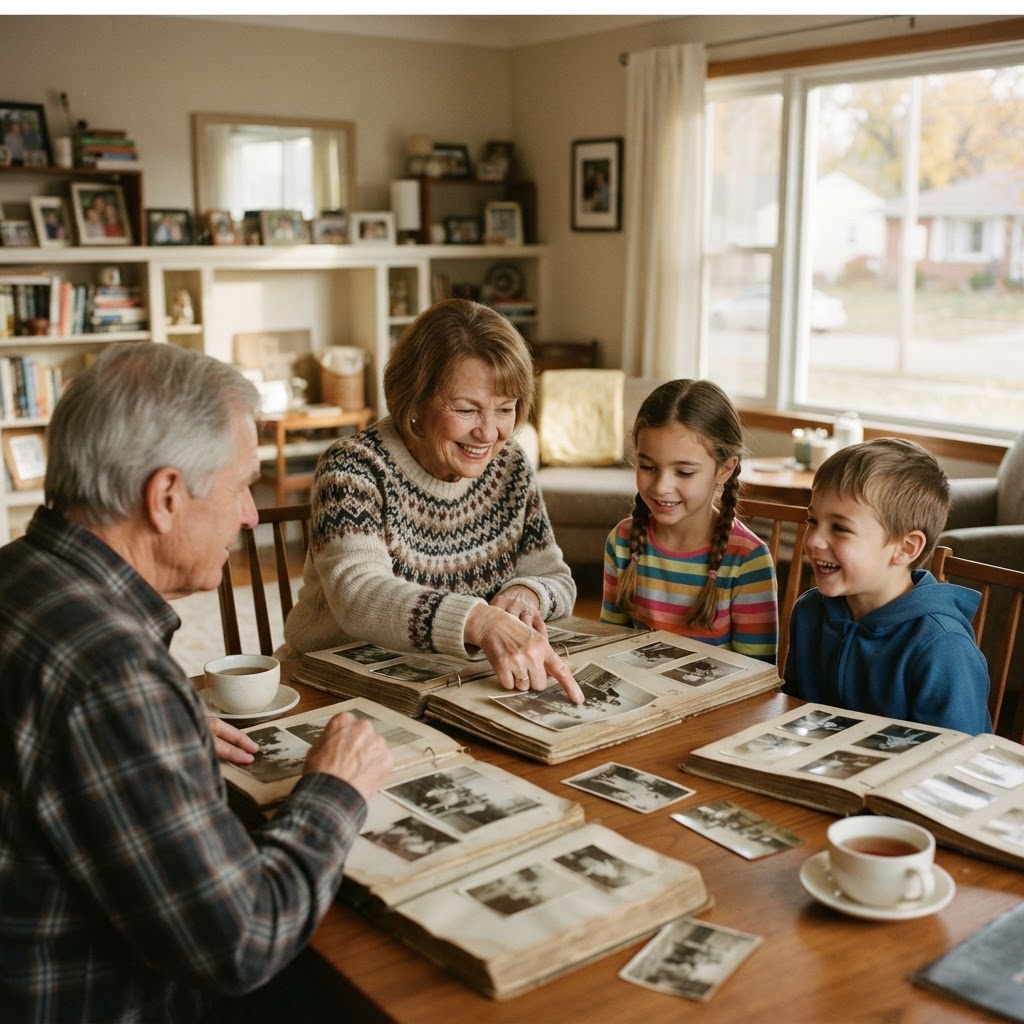
Tell Them Where They Come From: Why Your Children Need the Family Stories Only You Can Give
Your children are hungry for something no store sells and no screen streams: the stories of their own people. When you tell them where they come from, you give them roots, courage, and a place in a story bigger than themselves.
Happening in Omaha Soon



Sponsored

Coffee Hour
Good coffee. Great conversation. Stronger together. Wednesdays at 7am CST.
