Omaha History
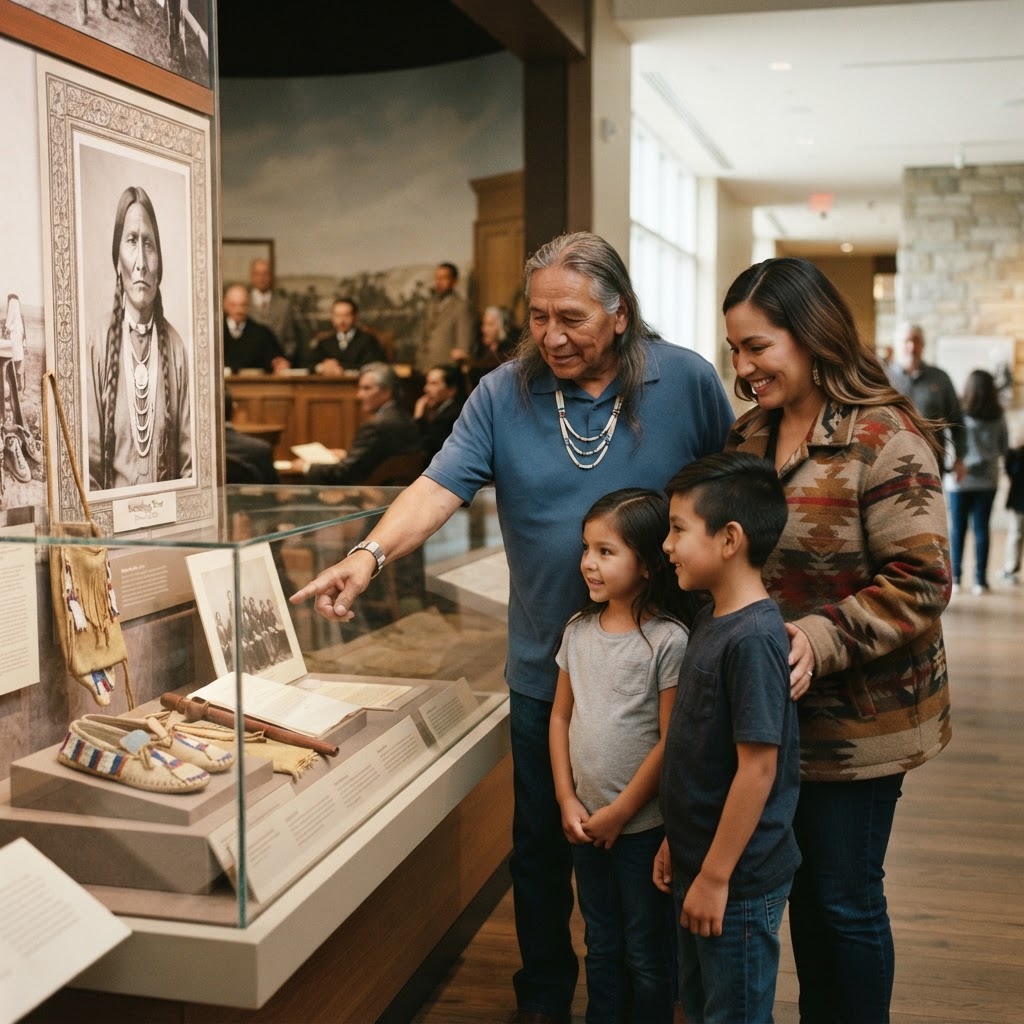
Standing Bear: The Omaha Trial That Changed America
In an Omaha courtroom in 1879, a Ponca chief named Standing Bear won a case that changed American history forever. Here is the powerful, true story, and why it makes Omaha a city worth visiting.
Some of the most important moments in American history happened in places you might not expect, and one of the most powerful of them all unfolded right here in Omaha. In the spring of 1879, in a federal courtroom in this city, a Native American chief named Standing Bear stood and spoke words that would change the course of American law forever. It is a story of courage and dignity, and it is one of the most meaningful reasons to know and visit Omaha.
Standing Bear was a chief of the Ponca people, a tribe that had lived peacefully for generations along the Niobrara River in northern Nebraska. But in the 1870s, the United States government forced the Ponca from their homeland and removed them hundreds of miles south to Indian Territory, in what is now Oklahoma. The journey and the conditions there were devastating. Many of the Ponca died, including Standing Bear's own son. With his boy gone, Standing Bear made a heartfelt promise: he would carry his son's remains back to the homeland to be buried among his ancestors.
And so, in the winter, Standing Bear and a small group of followers set out on the long walk north toward home. But when they reached the area near Omaha, the U.S. Army arrested them for leaving the territory without permission and held them at Fort Omaha, intending to send them back. It seemed their journey, and Standing Bear's promise, would end in failure.
Then something remarkable happened. The story of these desperate travelers reached the people of Omaha, and the city responded with compassion. A newspaper editor publicized their plight, and two prominent local attorneys, John L. Webster and Andrew Poppleton, agreed to represent Standing Bear for free. They filed for a writ of habeas corpus, a basic legal protection against unlawful imprisonment, and the case came before Judge Elmer Dundy in the United States District Court in Omaha.
The trial opened on April 30, 1879. The government made a chilling argument: it claimed that a Native American was neither a person nor a citizen under the law, and therefore had no right to sue or to seek the protection of the courts at all. The case would decide not just the fate of Standing Bear, but the very question of whether Native Americans were recognized as people under American law.
At the close of the trial, Standing Bear himself was permitted to speak. In a moment that has echoed through history, he raised his hand and said that the blood that flowed in his hand was the same color as the blood in the judge's, that he was a man, and that the same God made them both. It was a simple, profound plea for his shared humanity to be recognized.
Judge Dundy agreed. In his landmark ruling, he declared that an Indian is a person within the meaning of the law, and that Standing Bear was being held unlawfully and must be set free. It was the first time an American court had recognized that Native Americans were persons entitled to the protection of the law, a foundational moment in the long history of American civil rights. Standing Bear was freed, and he completed his journey, laying his son to rest in the homeland at last.
This extraordinary story belongs to Omaha. It happened here, in this city, because ordinary people, an editor, two lawyers, a judge, and a community, chose compassion and justice. Today, Standing Bear is honored across the region, and his courage is remembered as one of the proudest chapters in the city's history. Visitors who come to Omaha can stand in the very place where this history unfolded and feel the weight and the inspiration of it.
A trip to Omaha is a chance to connect with stories like this one, stories that shaped the nation and still have the power to move us. When you visit, take the time to learn about Standing Bear and the history all around you. Before you come, see everything happening across the city on our Explore Omaha event calendar, and start planning a visit to the city where a brave man's words helped change America.
Comments
No comments yet — be the first to share your tips!
Leave a Comment
Free: Where Kids Eat Free in Omaha
Our verified guide to 20+ Omaha restaurants where kids eat free (or cheap) — mapped out for every day of the week. Plus our free Thursday newsletter for Omaha families.
Join Omaha families getting the free weekend guide · No spam, unsubscribe anytime.
Read Next
More Omaha stories for your family
Omaha History · Aug 28, 2026
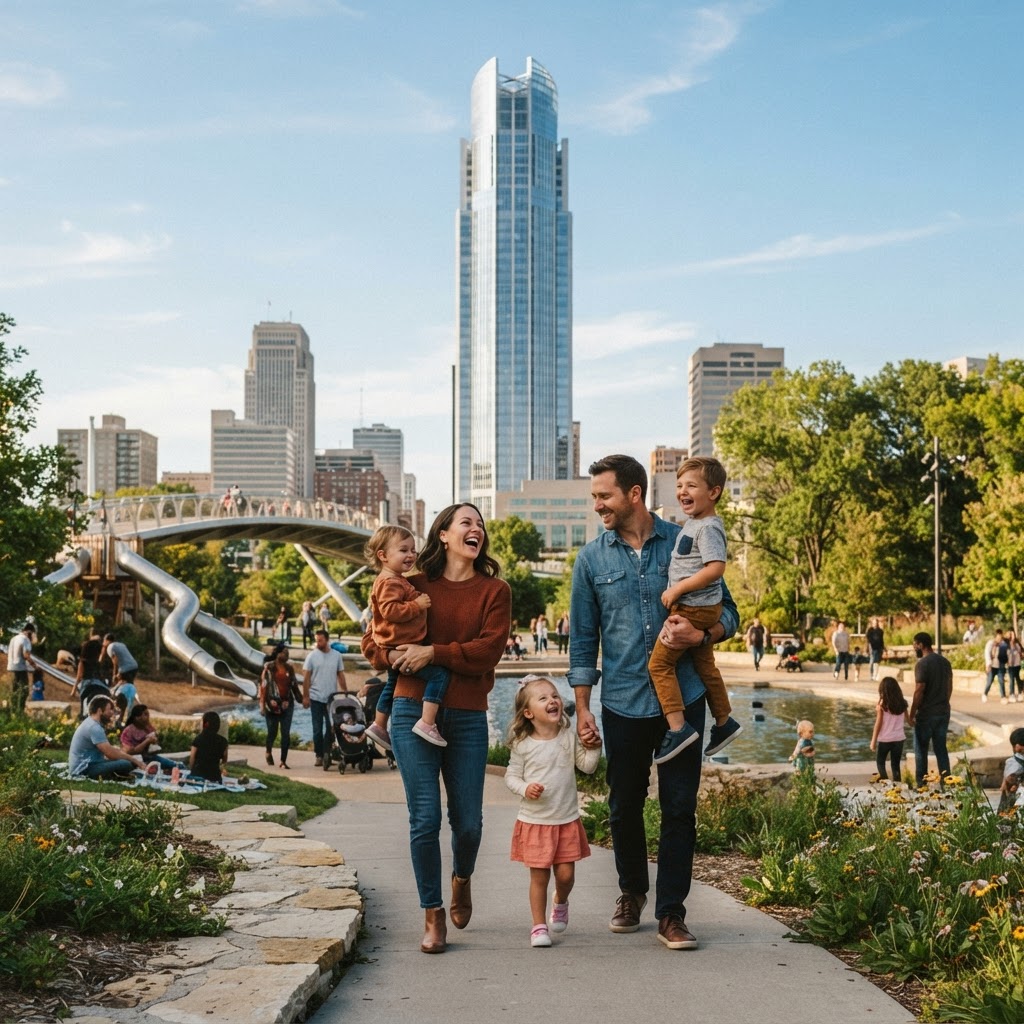
Omaha's New Tallest Building: Mutual of Omaha's Downtown Tower Caps Off 2026
Mutual of Omaha's 44-story downtown headquarters is now the tallest building in Nebraska, and it's set to open this fall. Here's what to know, and why it's worth a family trip downtown during the holidays.
Omaha History · Jul 2, 2026
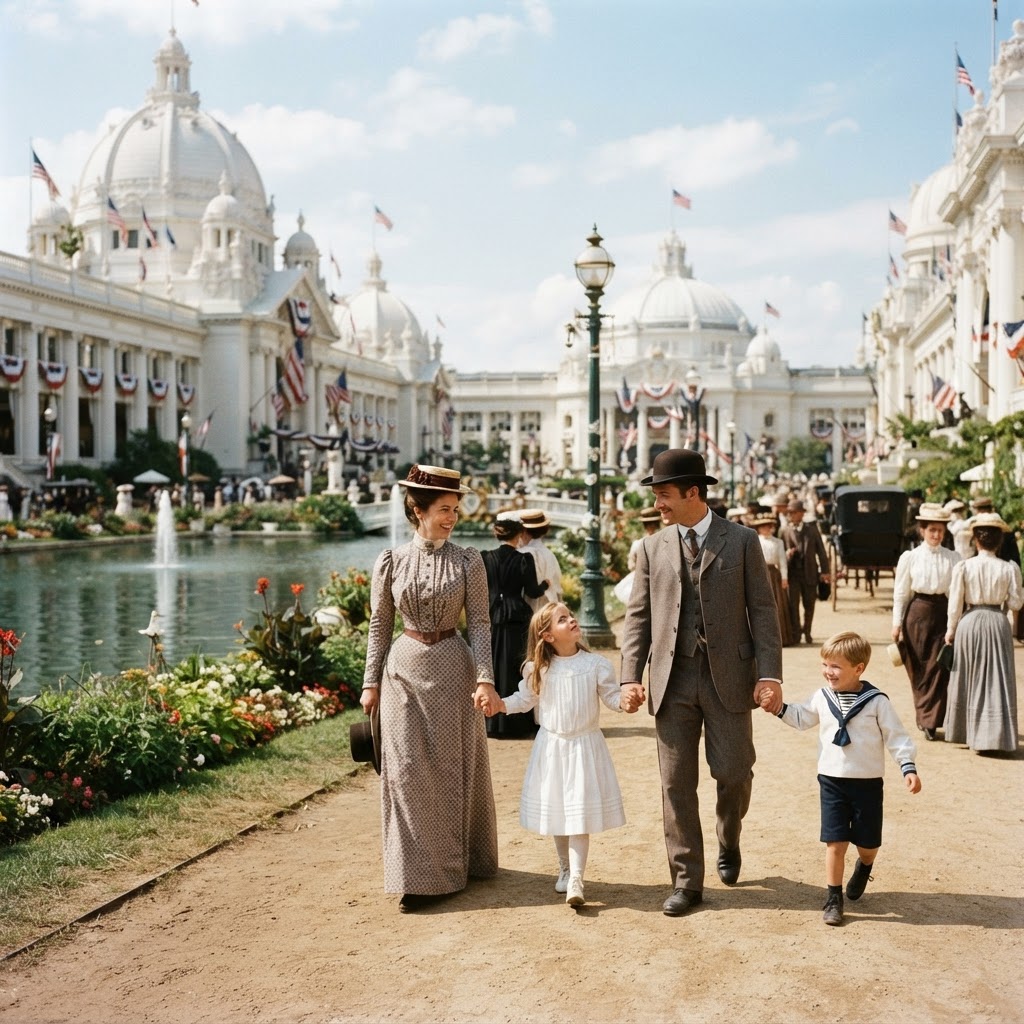
The 1898 Trans-Mississippi Exposition: When the World Came to Omaha
For five months in 1898, a gleaming white city of domes and palaces rose along a lagoon in north Omaha. More than two and a half million people came to see it, including a sitting president. Then it was torn down on purpose, and today a quiet neighborhood park sits right on top of where it stood.
Omaha History · Jul 2, 2026
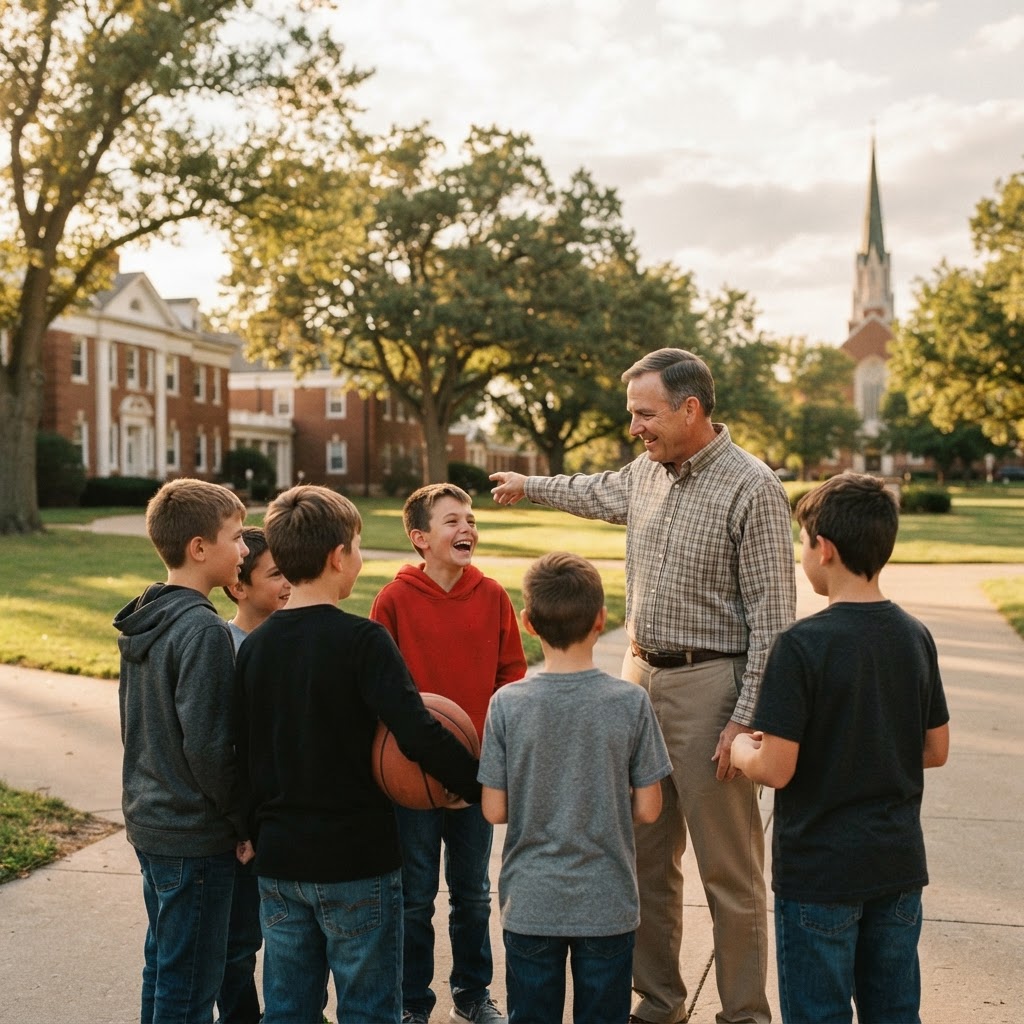
Boys Town: The Story of Father Flanagan's City of Little Men
In 1917, a young Omaha priest borrowed ninety dollars, rented a run-down house, and took in five boys nobody else wanted. What Father Edward Flanagan built from there became its own village west of the city, a movie that won an Oscar, and a nonprofit that still helps kids more than a century later.
Happening in Omaha Soon

Sponsored
Union Life Podcast
Faith, family, and stronger unions — on the Nobility TV Network.
