Omaha History
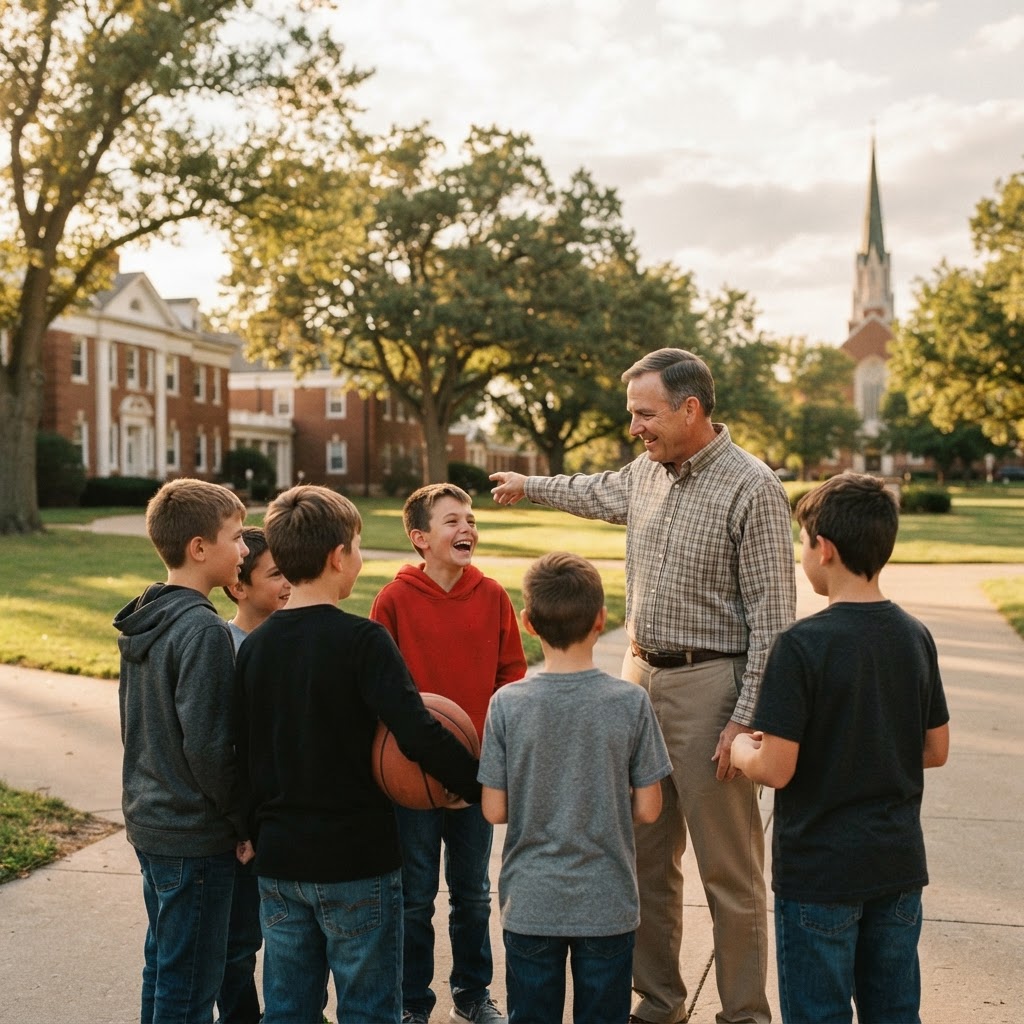
Boys Town: The Story of Father Flanagan's City of Little Men
In 1917, a young Omaha priest borrowed ninety dollars, rented a run-down house, and took in five boys nobody else wanted. What Father Edward Flanagan built from there became its own village west of the city, a movie that won an Oscar, and a nonprofit that still helps kids more than a century later.
The winter of 1917 was a hard one in Omaha, and Father Edward Flanagan had five boys and almost no money. He had borrowed ninety dollars to rent a rundown boarding house downtown, near 25th and Dodge, and he filled it with kids the courts and the streets had given up on. Homeless newsboys. Boys nobody was coming back for. Within a matter of weeks the house held fifty of them, and he was turning others away at the door for lack of room.
That is where one of the most famous children's charities in America started. Not with a grand campus or a big donor. With a borrowed house and a stubborn Irish priest who did not believe in giving up on a kid.
Flanagan had come to Nebraska by a roundabout path. Born in Ireland, ordained a Catholic priest, he landed in the Diocese of Omaha and spent his early years running a workingmen's shelter downtown. He kept noticing the same thing. A lot of the men who ended up broke and drifting had been boys nobody looked after. Fix it early, he figured, and you might not need the shelter at all. So on December 12, 1917, he opened his home for boys. You can read the fuller account on Boys Town's own history page, and Nebraska Studies has a good writeup of those early years.
Here is the thing that made him different for his time. Flanagan took every boy. Black, white, Catholic, Protestant, Jewish, it did not matter to him one bit. In 1917, that was close to unheard of. Plenty of people thought he was foolish for it. He thought they were wrong, and he ran his home his way.
The downtown house filled up fast, then the next place, and the next. Neighbors were not always thrilled about a couple hundred rowdy boys next door. So Flanagan went looking for room to breathe. In 1921 he found it. A place called Overlook Farm, about ten miles west of the city, out past the edge of everything. Far enough that the folks who complained about his boys could not see them anymore. The boys moved out to the farm on October 22, 1921, and for the first time they had space. A garden to grow their own food. Room for a baseball diamond, a track, a football field. Boys who had never had a yard suddenly had acres.
The philosophy behind the whole place fit on a bumper sticker, more or less. There are no bad boys. Flanagan said it again and again. He believed there were only kids who had been dealt a rotten hand, boys who had gotten bad examples, bad breaks, bad company. Give a boy a home, an education, someone who believed in him, and he would come around. Most of the time, he was right.
The operation grew into something remarkable. In 1936 the community out on the old Overlook Farm actually incorporated as its own official village in the state of Nebraska, with its own government, its own post office, its own police and fire departments and schools. The boys ran a lot of it themselves. They elected a mayor, a council, commissioners. A town of kids, more or less governed by kids, with Flanagan watching over it. It is still an incorporated village today, one of the smallest in the state, and the national headquarters sits right there where the farm used to be.
Then Hollywood came calling. In 1938, MGM released a film called Boys Town, with Spencer Tracy playing Father Flanagan and a young Mickey Rooney as a tough kid who softens up over the course of the picture. It was a hit. Tracy won the Academy Award for Best Actor for the role, and he handed the Oscar over to the real Flanagan afterward. That statue still lives at Boys Town today. The movie did more than entertain. It put the place on the map for the whole country, and donations poured in from people who had never set foot in Nebraska. If you have ever heard the phrase about there being no such thing as a bad boy, the movie is a big part of why.
Flanagan spent the rest of his life at it. After World War II the U.S. government actually sent him overseas to advise on how to care for children orphaned by the war, in Japan, in Korea, in Europe. He was in Berlin on one of those trips when he died of a heart attack in 1948. He is buried at Boys Town, in the chapel he built.
The place did not stop growing when he did. It went co-ed back in the 1970s, taking in girls as well as boys. Today it is simply Boys Town, a national nonprofit that reaches hundreds of thousands of kids and families a year through its Nebraska campus and sites around the country, plus a national hotline and a well-regarded children's hospital in Omaha. The scale would have stunned the priest with the borrowed ninety dollars. Then again, maybe not. He always did aim high.
You can visit. The Village of Boys Town is open to the public, west of downtown Omaha, and you can walk the grounds, see the chapels, and stop in at the visitors center to learn the story up close. It sits comfortably alongside Omaha's other institutions built by people who refused to take no for an answer, from Rose Blumkin and Nebraska Furniture Mart to the courtroom fight in the Standing Bear trial that changed the law. For more of the city's stories and something to do this week, take a look at our Explore Omaha event calendar.
Comments
No comments yet — be the first to share your tips!
Leave a Comment
Free: Where Kids Eat Free in Omaha
Our verified guide to 20+ Omaha restaurants where kids eat free (or cheap) — mapped out for every day of the week. Plus our free Thursday newsletter for Omaha families.
Join Omaha families getting the free weekend guide · No spam, unsubscribe anytime.
Read Next
More Omaha stories for your family
Omaha History · Aug 28, 2026
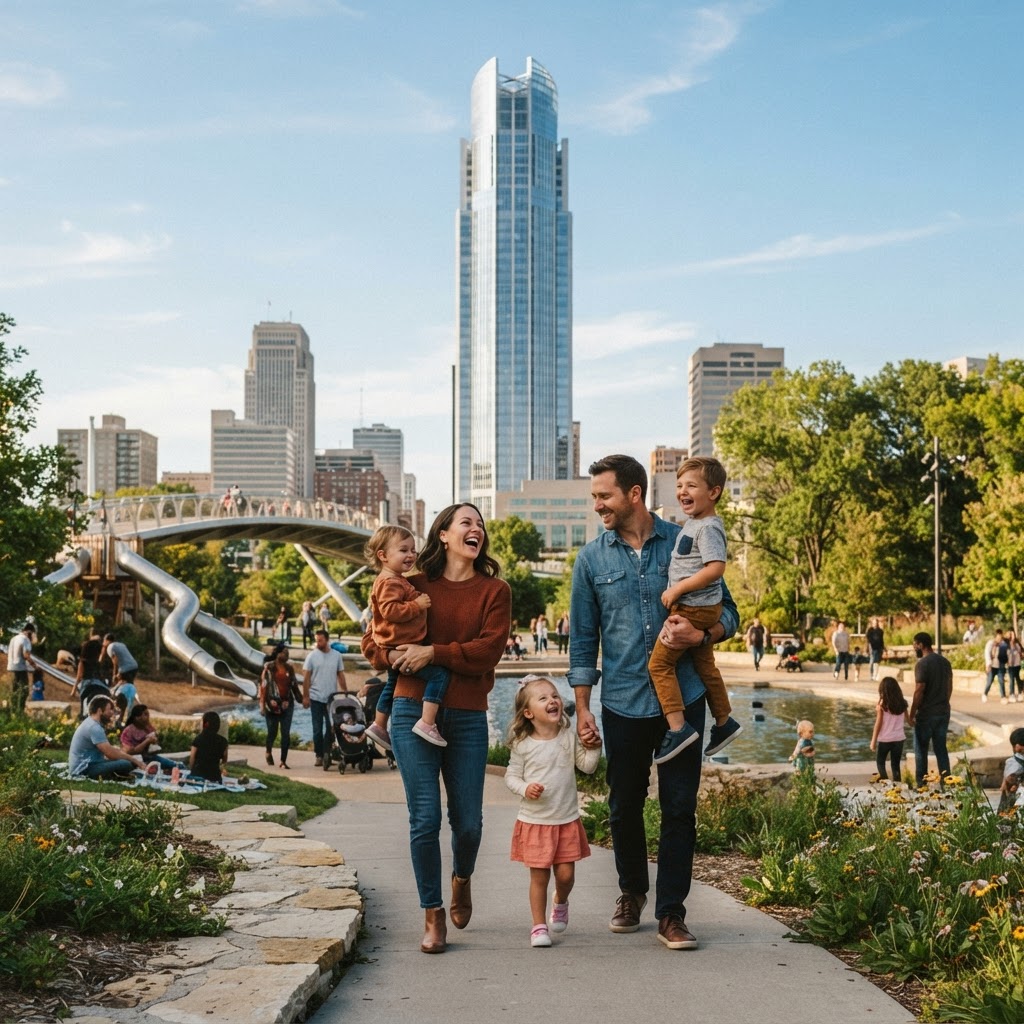
Omaha's New Tallest Building: Mutual of Omaha's Downtown Tower Caps Off 2026
Mutual of Omaha's 44-story downtown headquarters is now the tallest building in Nebraska, and it's set to open this fall. Here's what to know, and why it's worth a family trip downtown during the holidays.
Omaha History · Jul 2, 2026
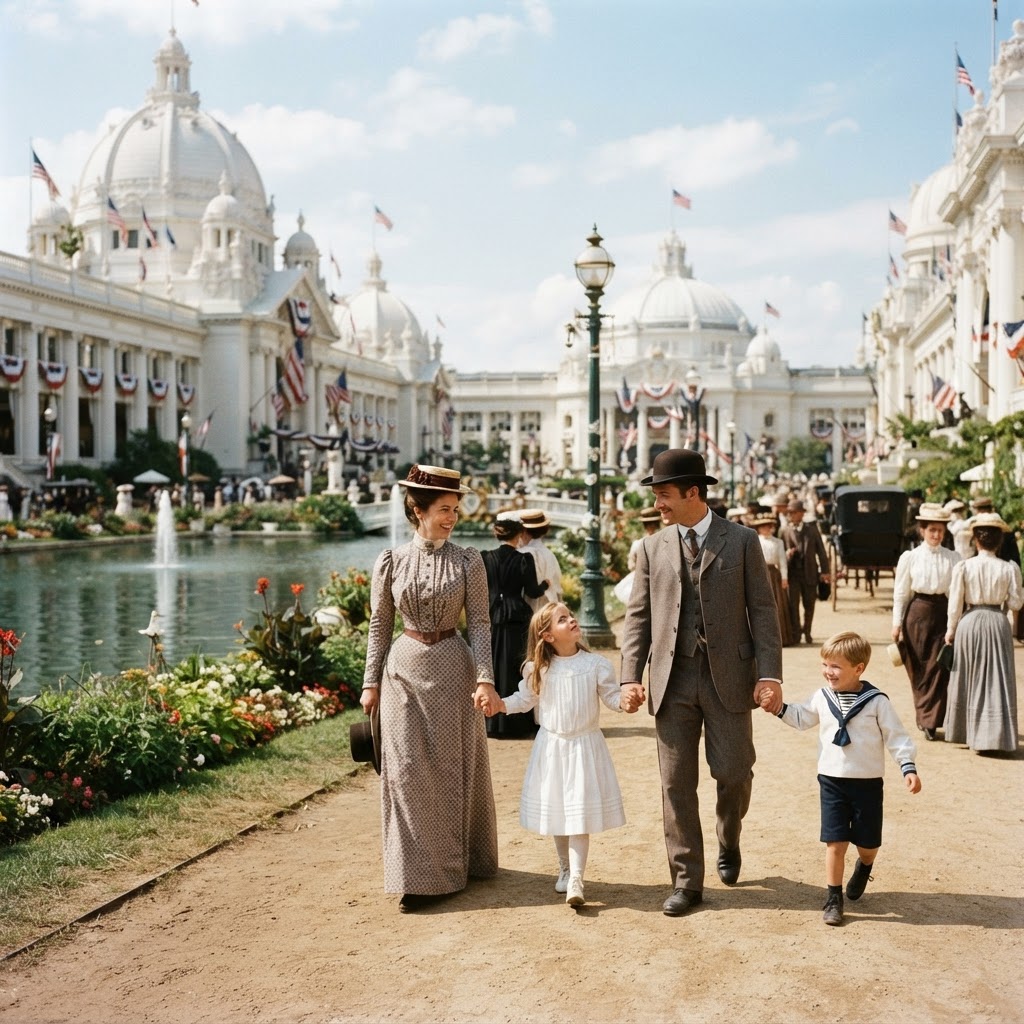
The 1898 Trans-Mississippi Exposition: When the World Came to Omaha
For five months in 1898, a gleaming white city of domes and palaces rose along a lagoon in north Omaha. More than two and a half million people came to see it, including a sitting president. Then it was torn down on purpose, and today a quiet neighborhood park sits right on top of where it stood.
Omaha History · Jul 1, 2026
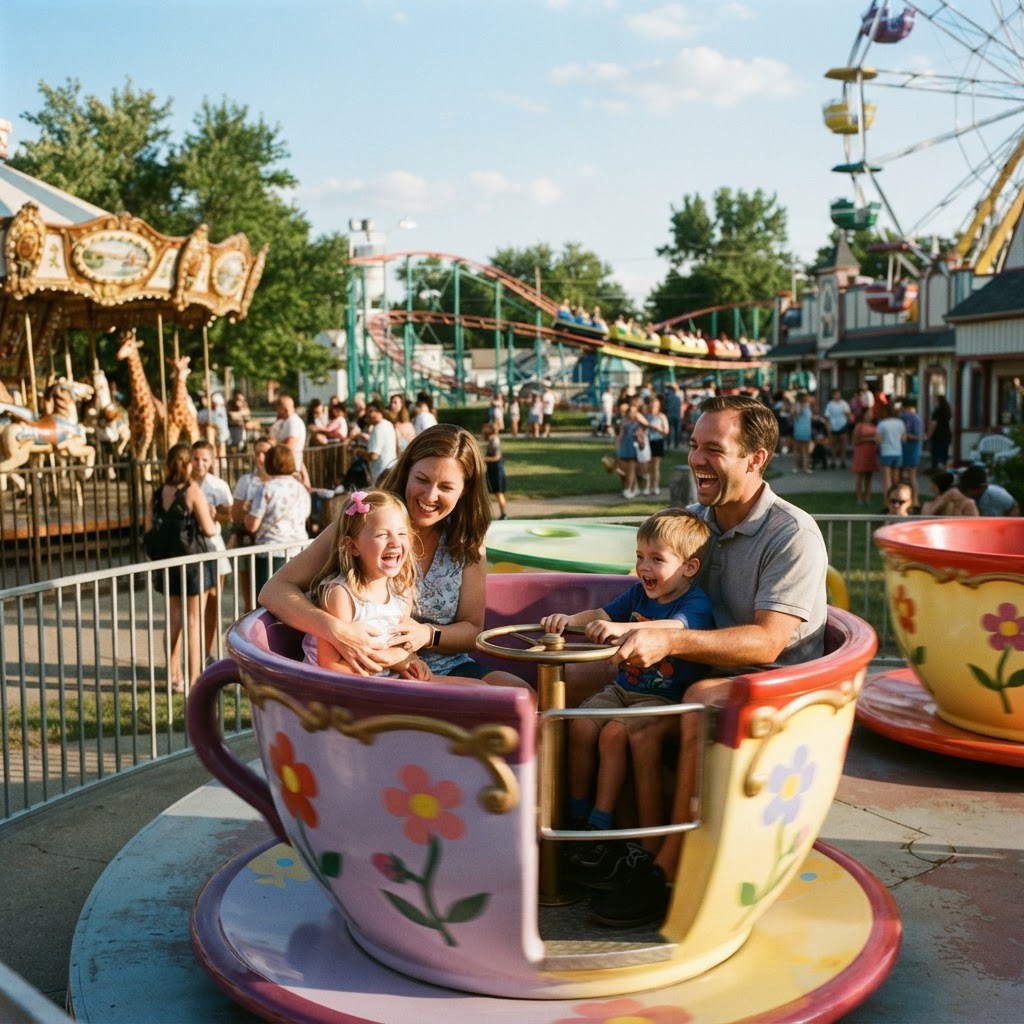
Peony Park: Omaha's Beloved Lost Amusement Park
For 75 years, near 78th and Cass, Omaha kids spent their summers at Peony Park. The sand-bottom pool, the big band nights in the ballroom, the roller coaster. It closed in 1994, and a lot of Omaha still misses it.
Happening in Omaha Soon

Sponsored

Nobility Digital Marketing
Websites, marketing, and automation that grow your business.
