Omaha History
The Oracle of Omaha: How Warren Buffett Put Our City on the Map of American Finance
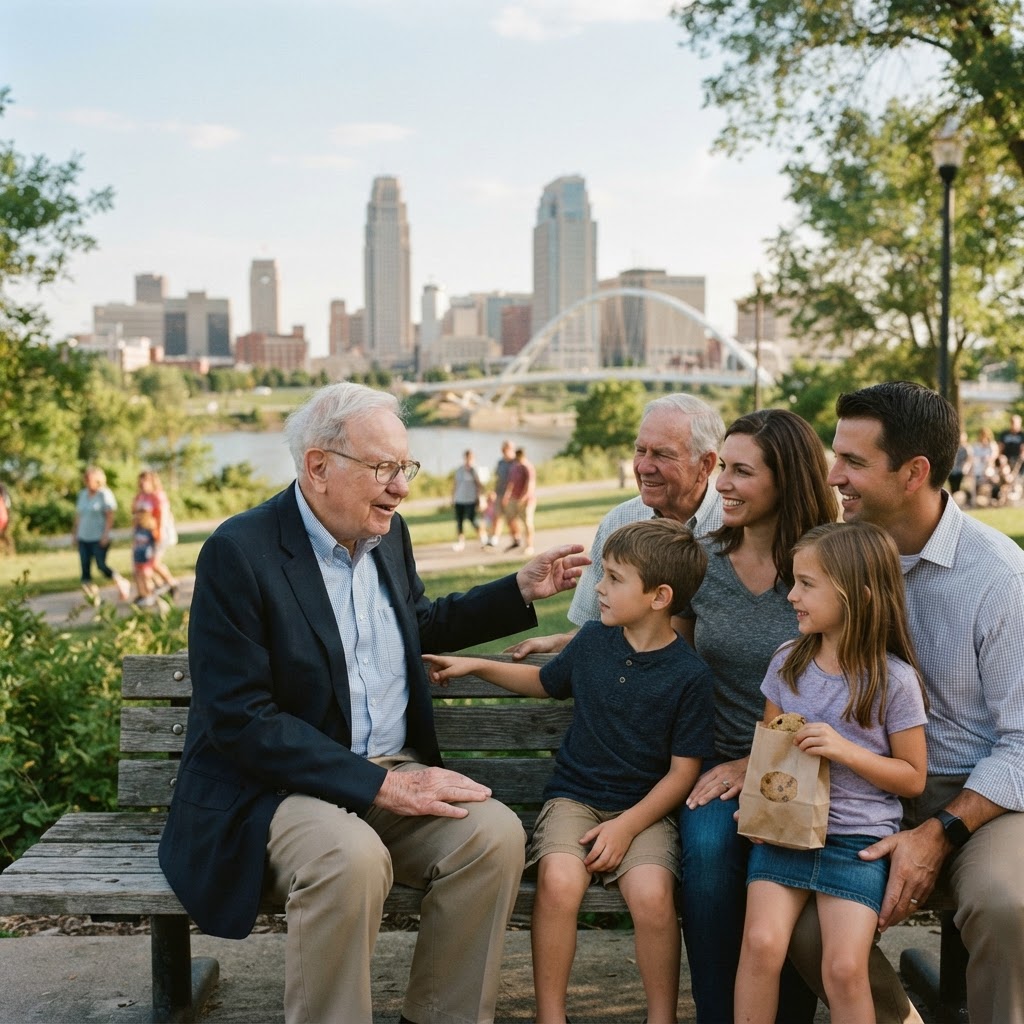
Long before Omaha was known as a capital of American finance, it was simply home to a curious boy named Warren Buffett. Discover how the Oracle of Omaha built one of the world's most admired companies without ever leaving the city he loves, and how he draws the world to our doorstep each spring.
Some cities chase greatness; Omaha simply raised it at home. When people around the world speak of the "Oracle of Omaha," they are paying tribute not only to one of history's most successful investors but to the city that shaped him and that he never left behind. Warren Buffett was born in Omaha on August 30, 1930, and the story of how a Nebraska boy grew into a steward of one of the world's most admired companies is, at heart, a story about Omaha itself, about the steady, unpretentious values that this prairie city quietly passes from one generation to the next.
Buffett's roots run deep in Omaha soil. As a child during the Great Depression, he sold chewing gum and bottles of pop door to door, delivered newspapers across familiar neighborhoods, and developed the patient, practical sense for value that would define his life's work. The city was his first classroom, and its Midwestern temperament, hardworking, modest, and skeptical of flash, became the foundation of his philosophy. Even after studying on the East Coast and learning from celebrated mentors, he returned to Omaha to make his career, choosing the steady ground of home over the louder financial capitals that might have claimed him. That choice would change the city's story forever.
The company that carries Omaha's reputation around the globe, Berkshire Hathaway, did not begin as a Nebraska enterprise at all. Its origins lie in the New England textile mills of the nineteenth century, a struggling cloth-making business that Buffett began buying into in 1962 and took control of in 1965. Over the decades that followed, he transformed that fading mill into a vast holding company, the textile operations eventually winding down in 1985 while the enterprise grew into one of the most valuable corporations in the world. Through every chapter of that remarkable growth, the headquarters remained in Omaha, in a famously plain office at Kiewit Plaza. There were no marble towers or coastal addresses, only a quiet suite of rooms in the heart of the city Buffett calls home. In keeping its base here, Berkshire Hathaway made Omaha a genuine capital of American finance, a place that proves great things need not be done in the biggest or loudest of cities.
Perhaps nothing reflects Omaha's character more warmly than the way Buffett has chosen to live. Though his name appears among the wealthiest people on earth, he has stayed in the same gray stucco house in central Omaha that he bought in 1958 for a modest sum. He has long been known for ordinary pleasures and everyday routines, for treating neighbors as neighbors and for a modesty that feels distinctly homegrown. In a world that often equates success with extravagance, his example offers a gentler lesson, one that families here recognize instantly. It is the quiet confidence of a place that measures a person by character rather than display, and it has made Buffett not a distant celebrity but something closer to a beloved hometown figure. Visitors curious about the many remarkable lives this city has produced can explore more of Omaha's famous people and the threads that connect them.
Once a year, the wider world comes to see Omaha for itself. Each spring, the Berkshire Hathaway annual shareholder meeting fills the city with tens of thousands of visitors from across the country and around the globe, an event so joyful and well attended that it has earned the affectionate nickname "Woodstock for Capitalists." What began as a tiny gathering of a handful of shareholders has grown into one of the largest meetings of its kind anywhere, drawing crowds that pack the downtown arena to listen, learn, and share in a sense of community. For a weekend, hotels brim, restaurants hum, and local shops welcome guests who often leave charmed by Omaha's friendliness and surprised by how much there is to enjoy. The gathering brings real warmth and energy to the city, a celebration that has become part of Omaha's modern heritage.
The tale of Warren Buffett and Berkshire Hathaway is, in the end, a tale about staying true to a place. A city that began as a frontier crossroads, a story you can trace in how Omaha began, grew into a respected name in American business not by reinventing itself but by holding fast to its values. Omaha gave one of its sons his start, and he gave the city a place in financial history that no skyline could rival. For families who call this city home, that legacy is a quiet source of pride, a reminder that integrity, patience, and loyalty to one's roots can carry a person, and a city, remarkably far.
Comments
No comments yet — be the first to share your tips!
Leave a Comment
Free: Where Kids Eat Free in Omaha
Our verified guide to 20+ Omaha restaurants where kids eat free (or cheap) — mapped out for every day of the week. Plus our free Thursday newsletter for Omaha families.
Join Omaha families getting the free weekend guide · No spam, unsubscribe anytime.
Read Next
More Omaha stories for your family
Omaha History · Aug 28, 2026
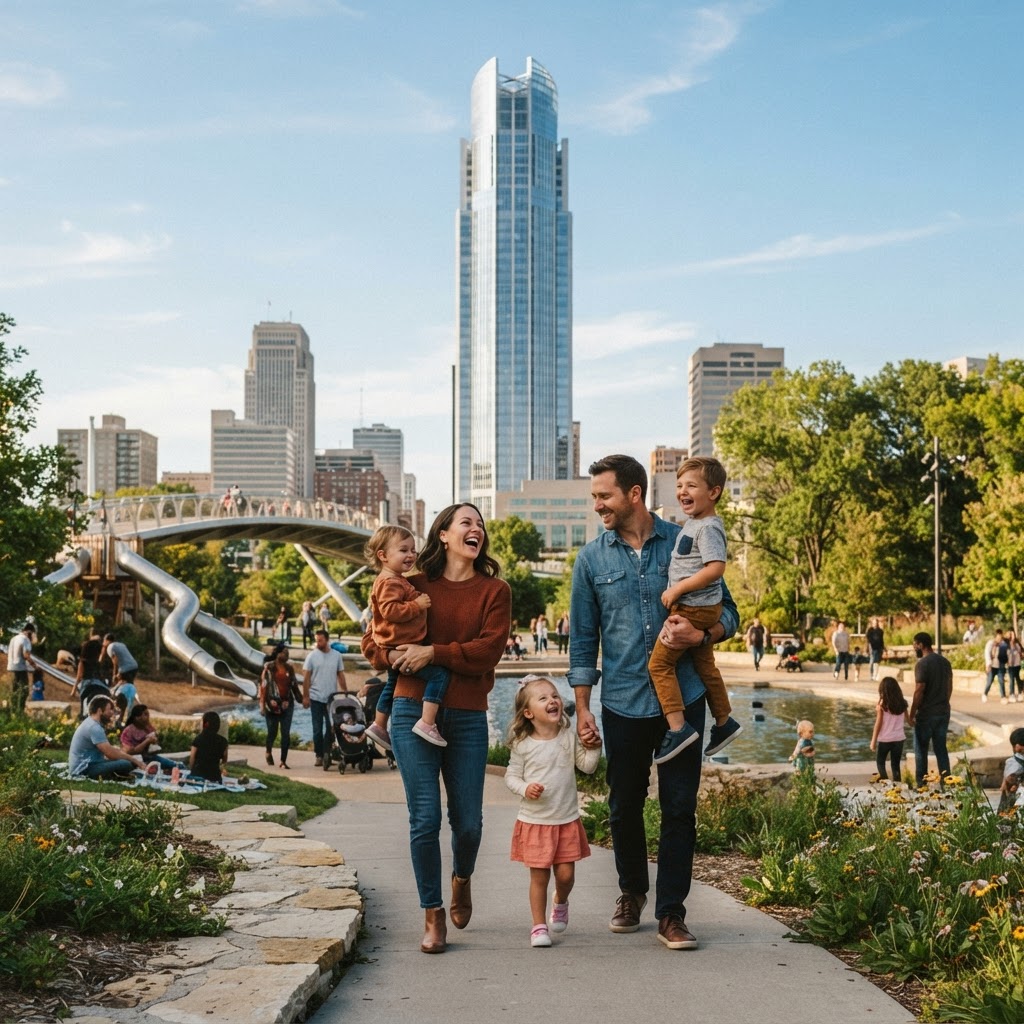
Omaha's New Tallest Building: Mutual of Omaha's Downtown Tower Caps Off 2026
Mutual of Omaha's 44-story downtown headquarters is now the tallest building in Nebraska, and it's set to open this fall. Here's what to know, and why it's worth a family trip downtown during the holidays.
Omaha History · Jul 2, 2026
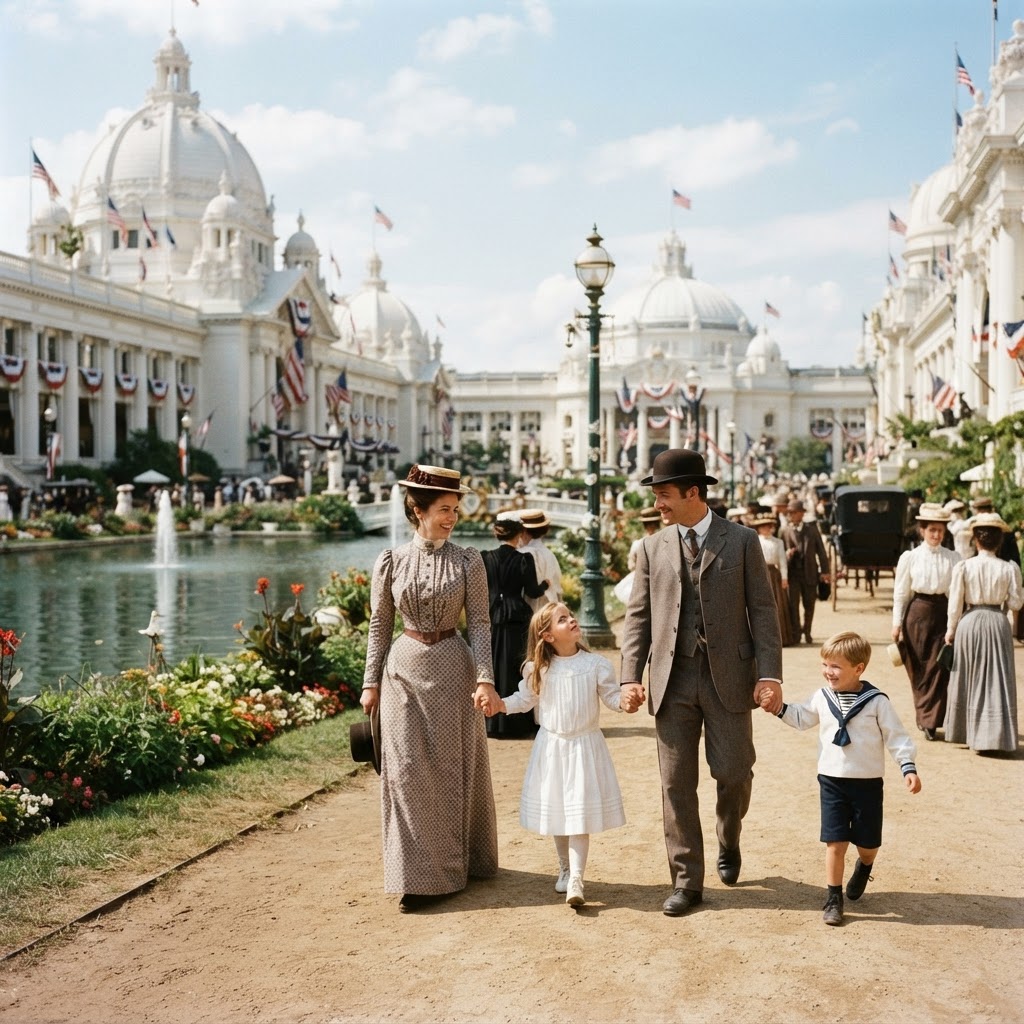
The 1898 Trans-Mississippi Exposition: When the World Came to Omaha
For five months in 1898, a gleaming white city of domes and palaces rose along a lagoon in north Omaha. More than two and a half million people came to see it, including a sitting president. Then it was torn down on purpose, and today a quiet neighborhood park sits right on top of where it stood.
Omaha History · Jul 2, 2026
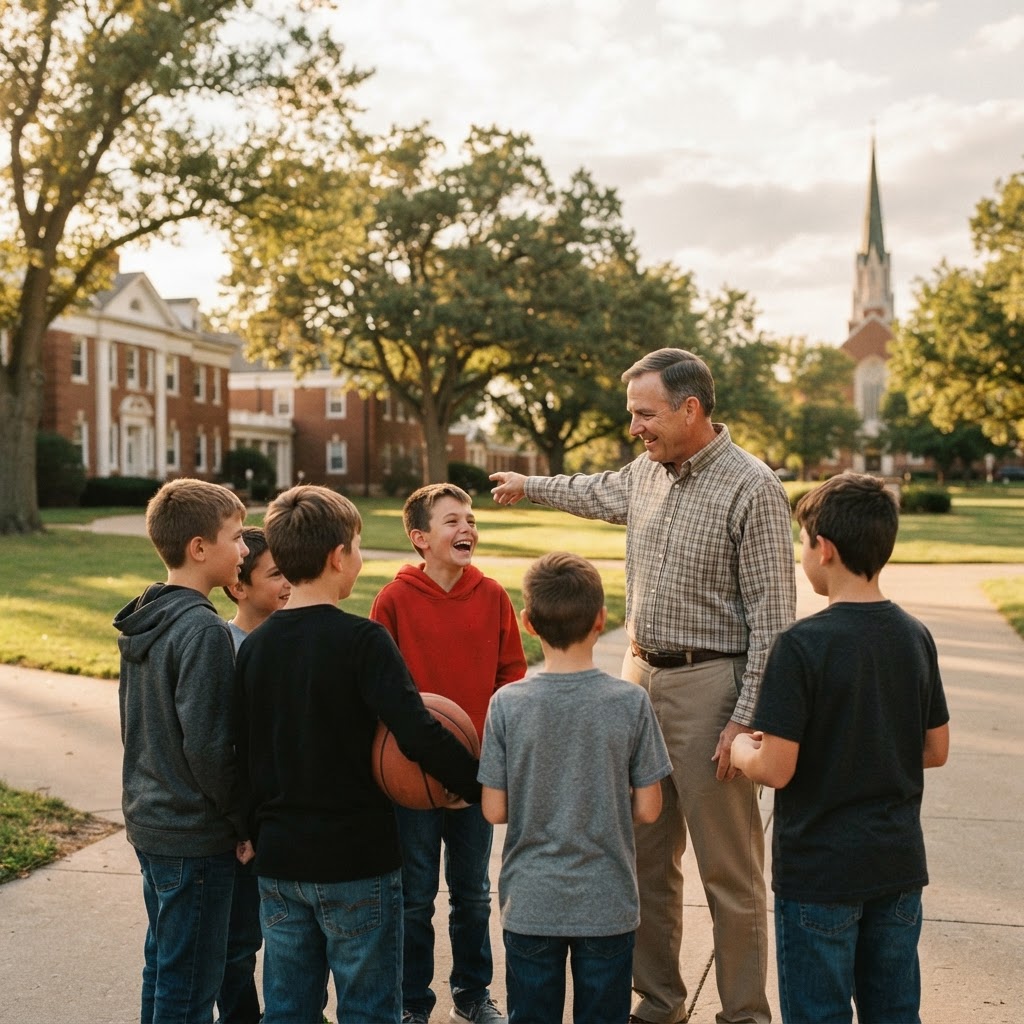
Boys Town: The Story of Father Flanagan's City of Little Men
In 1917, a young Omaha priest borrowed ninety dollars, rented a run-down house, and took in five boys nobody else wanted. What Father Edward Flanagan built from there became its own village west of the city, a movie that won an Oscar, and a nonprofit that still helps kids more than a century later.
Happening in Omaha Soon

Sponsored
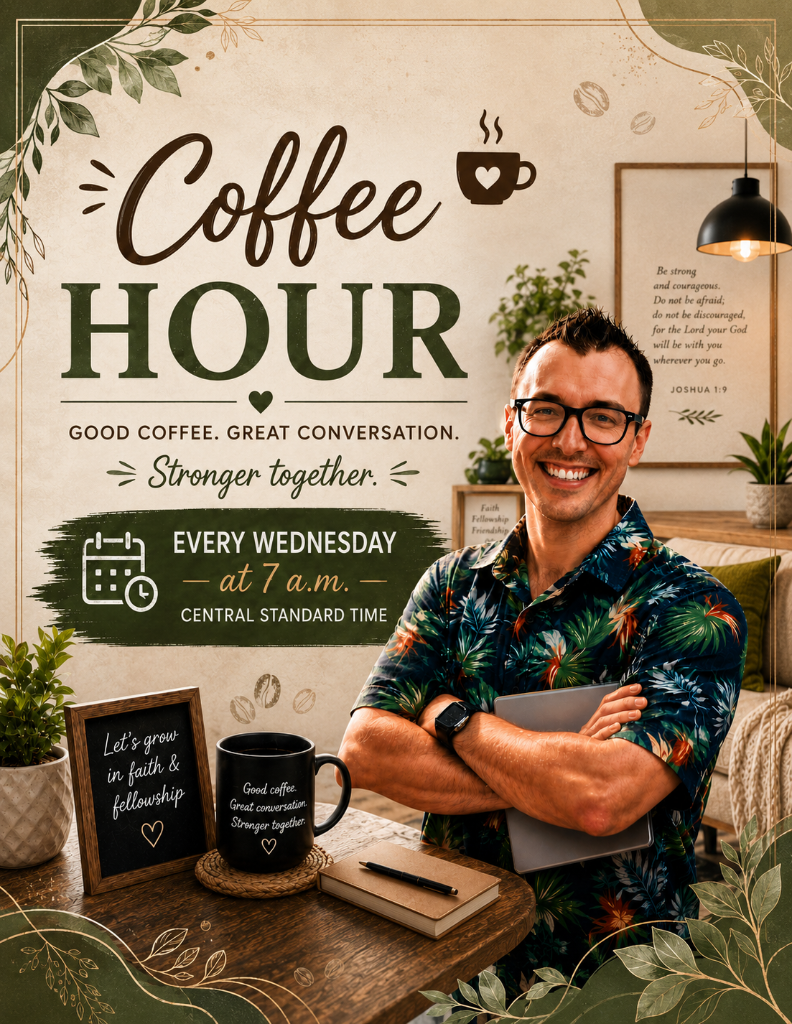
Coffee Hour
Good coffee. Great conversation. Stronger together. Wednesdays at 7am CST.
