Omaha History
How Omaha Began: The Frontier City That Became the Gateway to the West
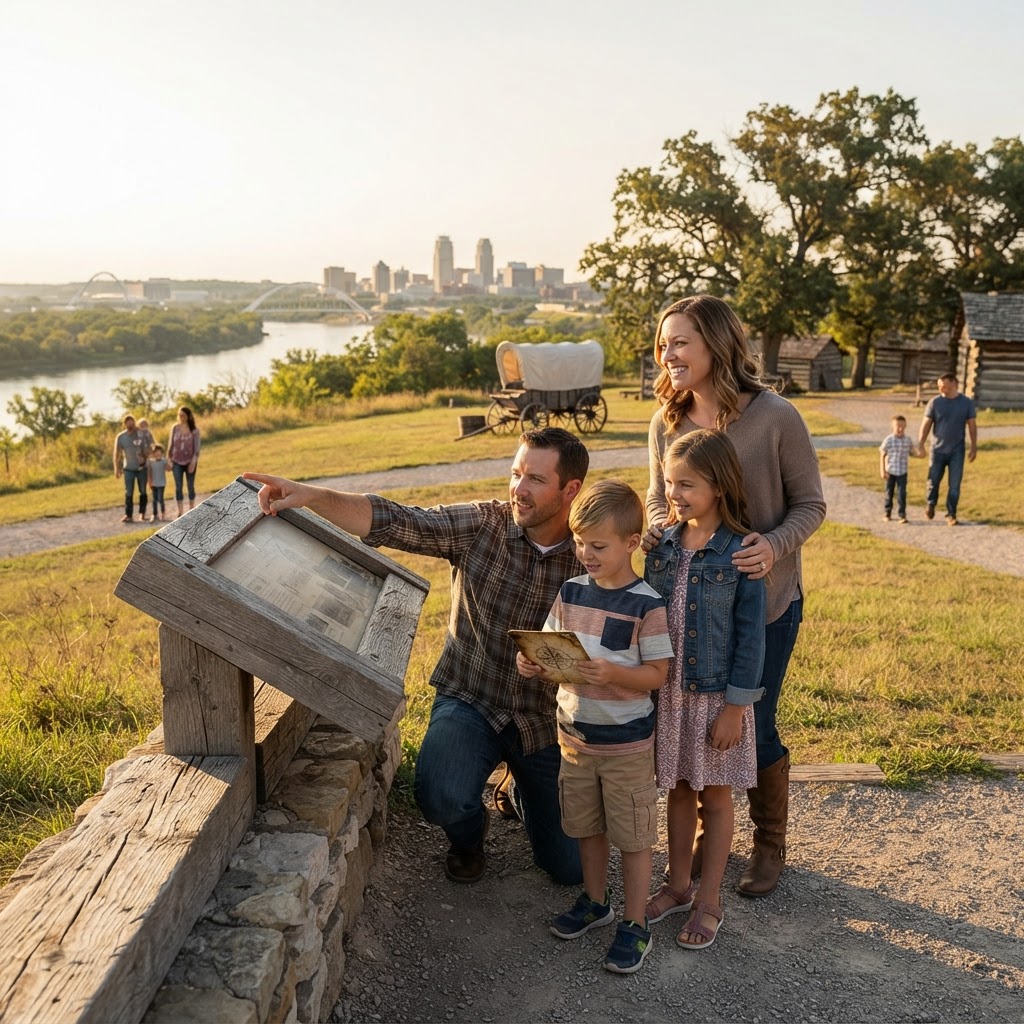
Omaha, Nebraska was literally founded at a Fourth of July picnic in 1854, then grew from a rough river town into the Gateway to the West. Here is the surprising story of how Omaha began, and the historic places you can still visit today.
Every great American city has an origin story, and Omaha, Nebraska has one of the best: a tale of riverboats and railroads, of speculators and dreamers, of a town that was quite literally founded at a Fourth of July picnic and went on to become the Gateway to the West. If you have ever wondered how Omaha grew from empty prairie into one of the most surprising and rewarding cities to visit in the American Heartland, the story begins on the banks of the Missouri River in 1854.
In the early 1850s, the land that would become Omaha was open prairie on the western bank of the Missouri, and across the river sat the busy town of Council Bluffs, Iowa. Ambitious men there looked west and saw opportunity. When the Kansas-Nebraska Act of 1854 opened the Nebraska Territory to settlement, they moved fast. On July 4, 1854, a group of these founders gathered for a celebratory picnic on a rise of ground they named Capitol Hill, the very spot where Omaha Central High School stands today, and there they toasted the birth of a brand-new city. Few towns in America can say they were born at a Fourth of July picnic, but Omaha can.
The city took its name from the Omaha Tribe, the Native people who had lived in the region for generations. The word is often translated as those who go against the current, a fitting name for a city built beside a powerful river. That same year, the Omaha people and the United States government concluded a treaty in which the tribe ceded millions of acres of their homeland, opening the door to the settlers who would pour in over the following decades. It is a part of the story worth remembering with honesty and respect: the Omaha of today rose on land that was home to others first.
In its earliest years, Omaha was a rough-and-tumble river town. The Missouri River was its lifeline, and paddlewheel steamboats churned up to its muddy landing carrying settlers, supplies, and ambition. The young city competed fiercely with its neighbors for importance and even served for a time as the capital of the Nebraska Territory. But the event that would truly make Omaha was still a few years away, and it would arrive on iron rails.
In 1862, in the middle of the Civil War, Congress authorized the building of the first transcontinental railroad, and it chose Omaha as the eastern anchor of the Union Pacific. When construction pushed west out of Omaha in the mid-1860s, everything changed. The little river town became the launching pad for the greatest engineering feat of its age, the place where the rails that would bind a continent together began. This is how Omaha earned its enduring nickname, the Gateway to the West, and it is no exaggeration to say that the American West as we know it was built, in part, right here. Union Pacific keeps its headquarters in the city to this day.
With the railroad came everything else. In 1883 the Union Stockyards opened in South Omaha, and within a few decades Omaha had grown into one of the greatest livestock and meatpacking centers on earth, eventually surpassing even Chicago as the nation's largest. Immigrants from across Europe poured in to work the yards and packinghouses, building the vibrant patchwork of neighborhoods, churches, and traditions that still give Omaha its warm, hardworking character. The city that began as a picnic had become an industrial powerhouse.
The best part is that you can still walk through this history today, and that is exactly what makes Omaha such a rewarding place to visit. Stroll the brick streets of the Old Market, once the warehouse district that helped feed a growing nation and now filled with shops, galleries, and family-friendly cafes. Step inside the magnificent old Union Station, now the beloved Durham Museum, and picture the travelers who once passed through on their way west. Walk the beautifully revitalized riverfront where the steamboats once landed. The whole city is a living museum of the American frontier spirit, and the best way to understand the Gateway to the West is to stand in the middle of it.
So whether you are a lifelong Omahan rediscovering your own backyard or a traveler deciding where to go next, consider this your invitation: come see where the West began. Book the trip, bring the family, and walk the streets where riverboats unloaded and a transcontinental railroad was born. And before you come, take a look at everything happening in Omaha right now, because this historic city is every bit as alive today as it was in 1854. See what is going on this week on our Explore Omaha event calendar, and start planning your visit to the Gateway to the West.
Comments
No comments yet — be the first to share your tips!
Leave a Comment
Free: Where Kids Eat Free in Omaha
Our verified guide to 20+ Omaha restaurants where kids eat free (or cheap) — mapped out for every day of the week. Plus our free Thursday newsletter for Omaha families.
Join Omaha families getting the free weekend guide · No spam, unsubscribe anytime.
Read Next
More Omaha stories for your family
Omaha History · Aug 28, 2026
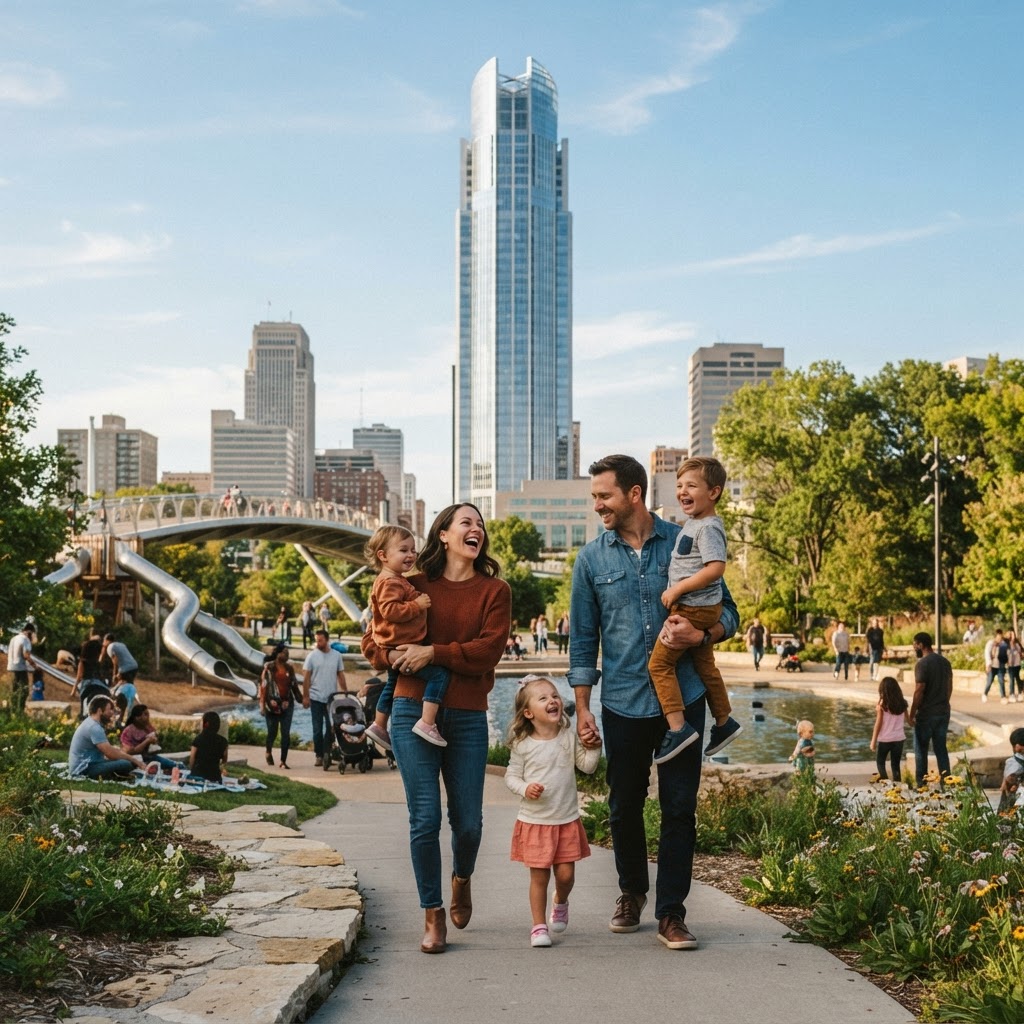
Omaha's New Tallest Building: Mutual of Omaha's Downtown Tower Caps Off 2026
Mutual of Omaha's 44-story downtown headquarters is now the tallest building in Nebraska, and it's set to open this fall. Here's what to know, and why it's worth a family trip downtown during the holidays.
Omaha History · Jul 2, 2026
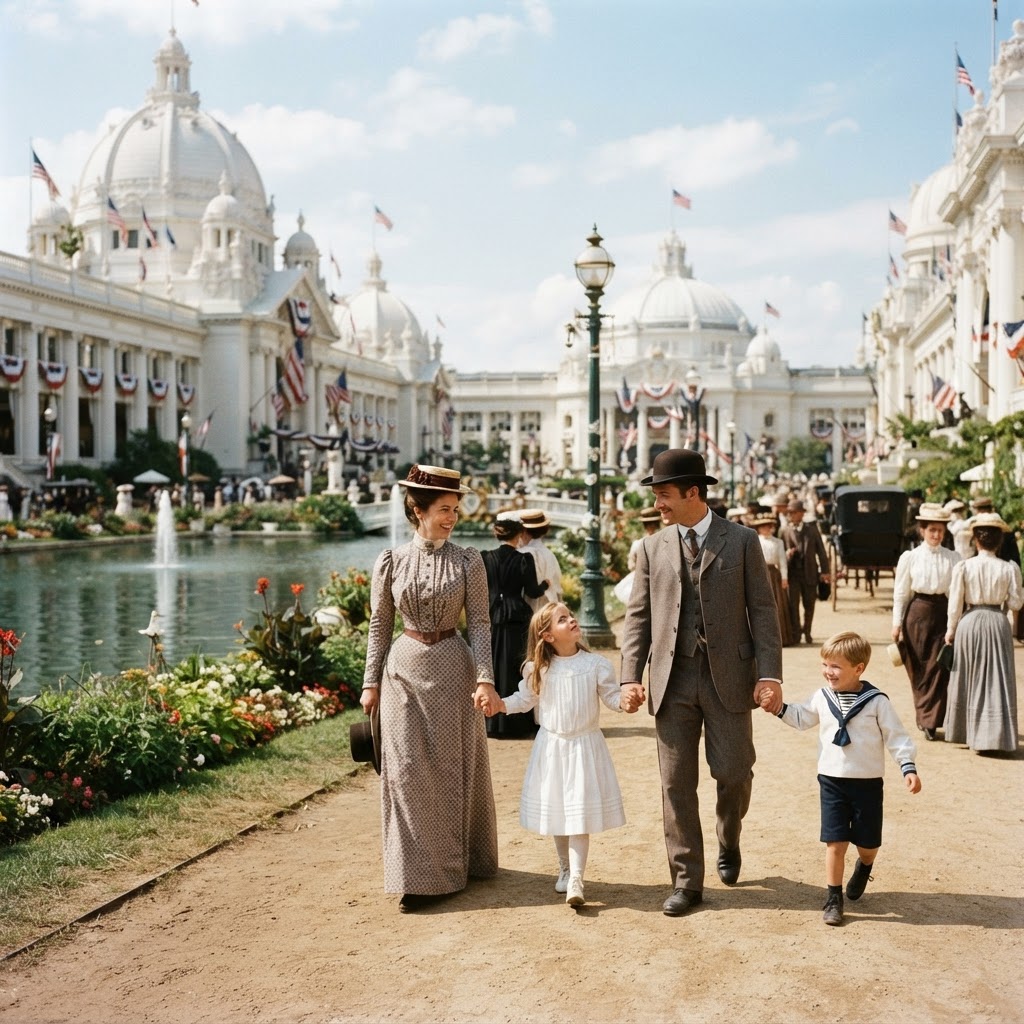
The 1898 Trans-Mississippi Exposition: When the World Came to Omaha
For five months in 1898, a gleaming white city of domes and palaces rose along a lagoon in north Omaha. More than two and a half million people came to see it, including a sitting president. Then it was torn down on purpose, and today a quiet neighborhood park sits right on top of where it stood.

Omaha History · Jul 2, 2026
Boys Town: The Story of Father Flanagan's City of Little Men
In 1917, a young Omaha priest borrowed ninety dollars, rented a run-down house, and took in five boys nobody else wanted. What Father Edward Flanagan built from there became its own village west of the city, a movie that won an Oscar, and a nonprofit that still helps kids more than a century later.
Happening in Omaha Soon


Sponsored

Union Life Podcast
Faith, family, and stronger unions — on the Nobility TV Network.
