Omaha History
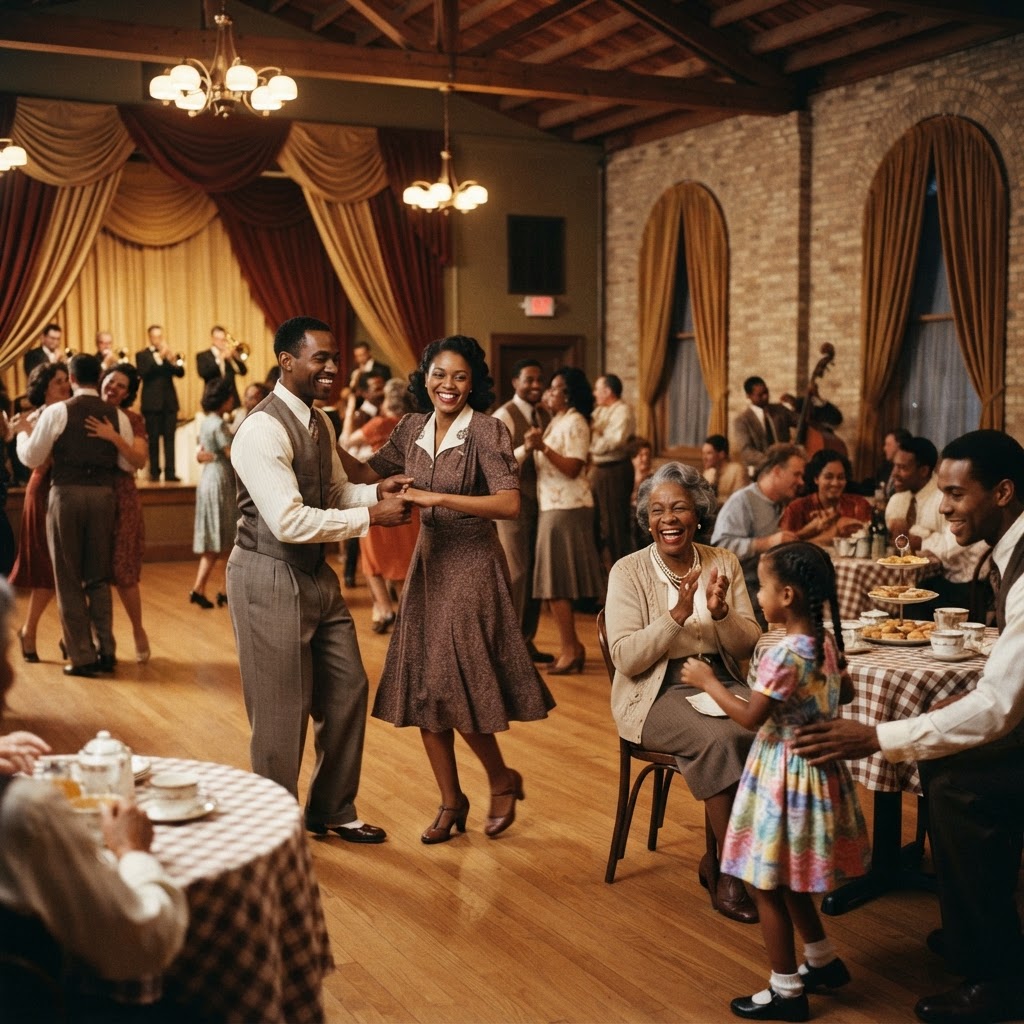
The Dreamland Ballroom: Where North Omaha Danced Through the Jazz Age
On the second floor of a handsome brick building on North 24th Street, the Dreamland Ballroom turned Omaha into a beloved stop on the great jazz touring circuit. For more than forty years, the biggest names in American music climbed those stairs, and so did the neighborhood's own homegrown legends.
Climb the stairs of the Jewell Building on North 24th Street, and you step into one of the most joyful chapters in Omaha's story. Built in 1923 by businessman James "Jimmy" Jewell Sr., who was widely regarded as one of the most successful Black entrepreneurs in the city, this handsome brick building gave North Omaha something it had been waiting for. On its second floor, behind tall windows overlooking the bustle of the street below, Jewell opened the Dreamland Ballroom, a spacious dance hall that would become the beating heart of the Near North Side for more than forty years. The Dreamland was not simply a place to hear music. It was where a whole community gathered to celebrate, to dress in its finest, and to share in the irresistible sound that defined an era.
The timing could not have been better. In the 1920s, Omaha sat at a crossroads of the nation's great rail lines, and the city quickly became a favorite stop along the touring circuit that carried musicians between Chicago, Kansas City, Denver, and Minneapolis. Bands rolling through the heartland needed a hall large enough and welcoming enough to play, and the Dreamland fit the bill perfectly. Jewell, and later his son Jimmy Jewell Jr., who carried on the family business with a showman's instinct, made it their mission to bring the very best to North 24th Street. They succeeded beyond measure. Over the decades, the Dreamland's stage welcomed a procession of giants whose names still ring through music history.
To list those who played there is to recite a roll call of American legends. Duke Ellington brought his orchestra. So did Count Basie, whose connection to Omaha ran deep, and Louis Armstrong, whose trumpet could fill a room with pure delight. Dizzy Gillespie and Lionel Hampton appeared, as did Nat "King" Cole, Sarah Vaughan, Dinah Washington, Billy Eckstine, Ray Charles, Louis Jordan, and Fats Domino. For dancers crowding the floor on a warm evening, the thrill of standing a few feet from such artistry must have felt like a dream come to life, which makes the ballroom's name seem all the more fitting.
Yet the Dreamland was never only a destination for touring stars. It was also a nursery for Omaha's own remarkable talent, and this may be the part of the story that matters most. The city's vibrant scene produced homegrown musicians who went on to national acclaim. Saxophonist and bandleader Preston Love, born and raised in Omaha, got his start in local orchestras before joining Count Basie's band and later working with Ray Charles. Anna Mae Winburn led groups in the neighborhood before becoming one of the most celebrated leaders of the all-women orchestra known as the International Sweethearts of Rhythm. In 1936, the gifted bandleader Nat Towles settled his orchestra into a residency at the Dreamland and reshaped the city's sound, training young players who would scatter across the country and carry Omaha's musical reputation with them. These were the territory bands, hardworking ensembles managed and booked right out of Omaha, that crisscrossed the Midwest and helped make the region a true incubator of jazz.
All of this flourished within a neighborhood that was rich in spirit and ambition. North 24th Street, the main artery of the Near North Side, was the cultural and commercial center of Omaha's African American community, lined with shops, restaurants, theaters, and gathering places. It was the same avenue where, a few years after the Dreamland's heyday, Mildred Brown would launch the pioneering Omaha Star newspaper. Music spilled from its doorways, and on a given night the avenue hummed with energy. The Dreamland anchored that world, offering a place where families and friends could come together in celebration. For readers who love the city's wider story of stages and performers, the Dreamland stands alongside grand venues like the historic Omaha Orpheum Theatre, and it shaped many of the notable figures who called Omaha home.
The Dreamland Ballroom eventually fell quiet, its dancing days giving way to changing times, but the Jewell Building still stands as a treasured landmark, listed on the National Register of Historic Places and honored as one of the first major commercial buildings built by and for Omaha's Black community. To walk past it today is to feel the echo of trumpets and laughter, of polished shoes gliding across a wooden floor, of a neighborhood that gave the world far more music than its size might suggest. The Dreamland reminds us that greatness often grows in close-knit places, and that Omaha, perched on the prairie, once swung with the very best of the jazz age.
Comments
No comments yet — be the first to share your tips!
Leave a Comment
Free: Where Kids Eat Free in Omaha
Our verified guide to 20+ Omaha restaurants where kids eat free (or cheap) — mapped out for every day of the week. Plus our free Thursday newsletter for Omaha families.
Join Omaha families getting the free weekend guide · No spam, unsubscribe anytime.
Read Next
More Omaha stories for your family
Omaha History · Aug 28, 2026
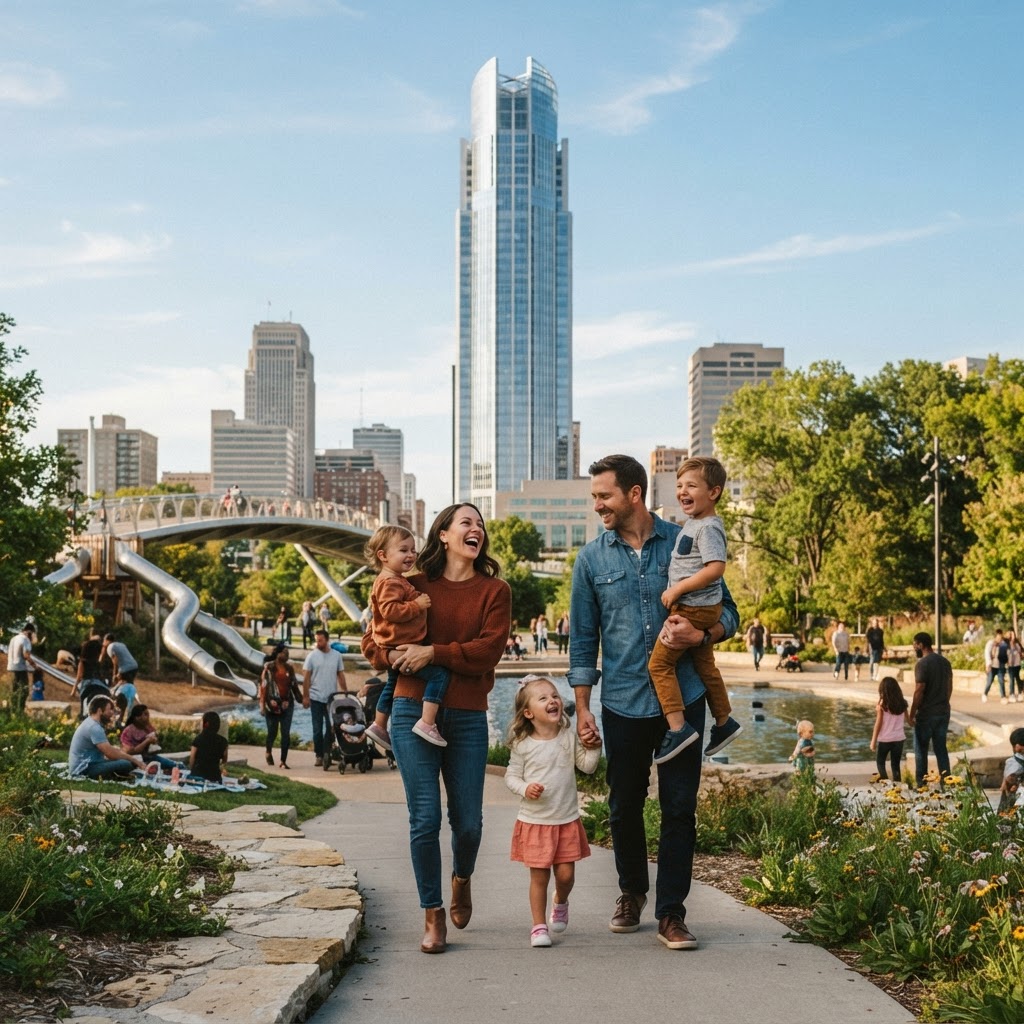
Omaha's New Tallest Building: Mutual of Omaha's Downtown Tower Caps Off 2026
Mutual of Omaha's 44-story downtown headquarters is now the tallest building in Nebraska, and it's set to open this fall. Here's what to know, and why it's worth a family trip downtown during the holidays.
Omaha History · Jul 2, 2026
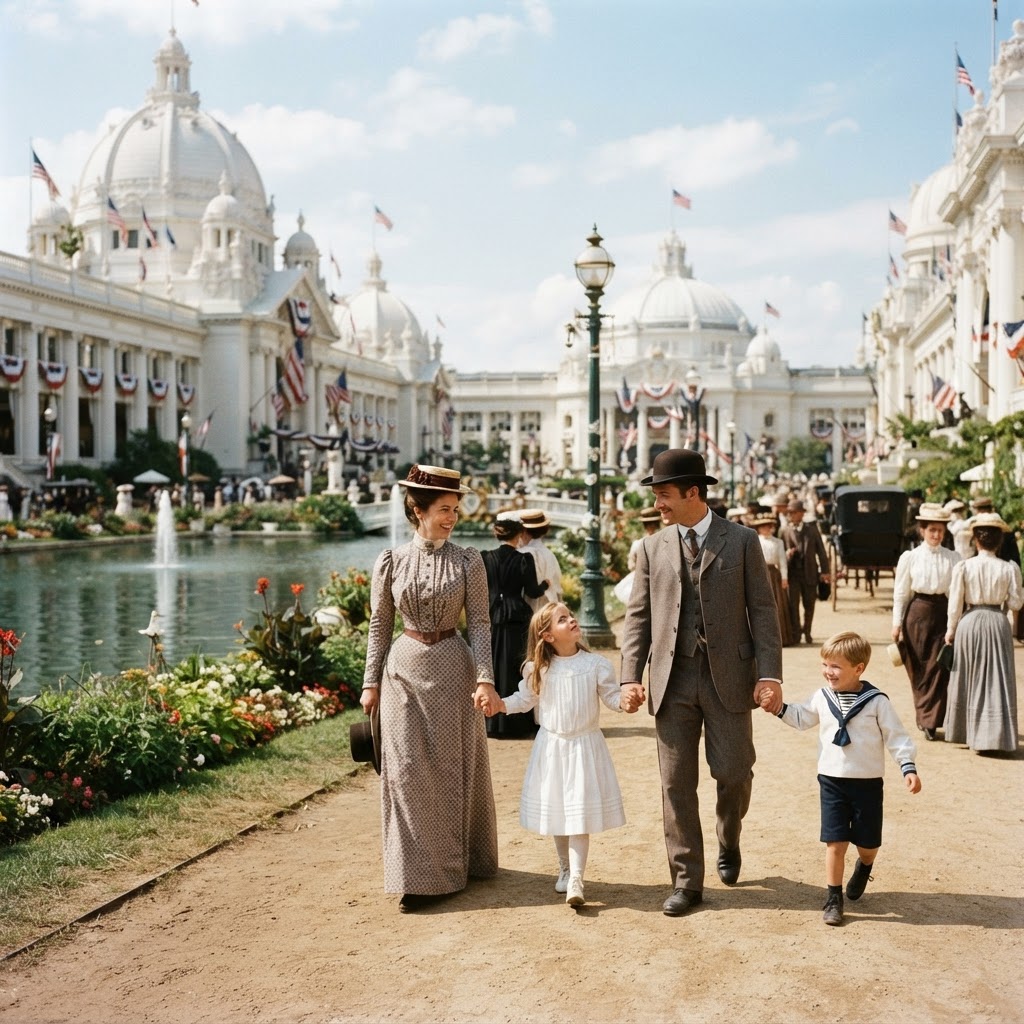
The 1898 Trans-Mississippi Exposition: When the World Came to Omaha
For five months in 1898, a gleaming white city of domes and palaces rose along a lagoon in north Omaha. More than two and a half million people came to see it, including a sitting president. Then it was torn down on purpose, and today a quiet neighborhood park sits right on top of where it stood.
Omaha History · Jul 2, 2026
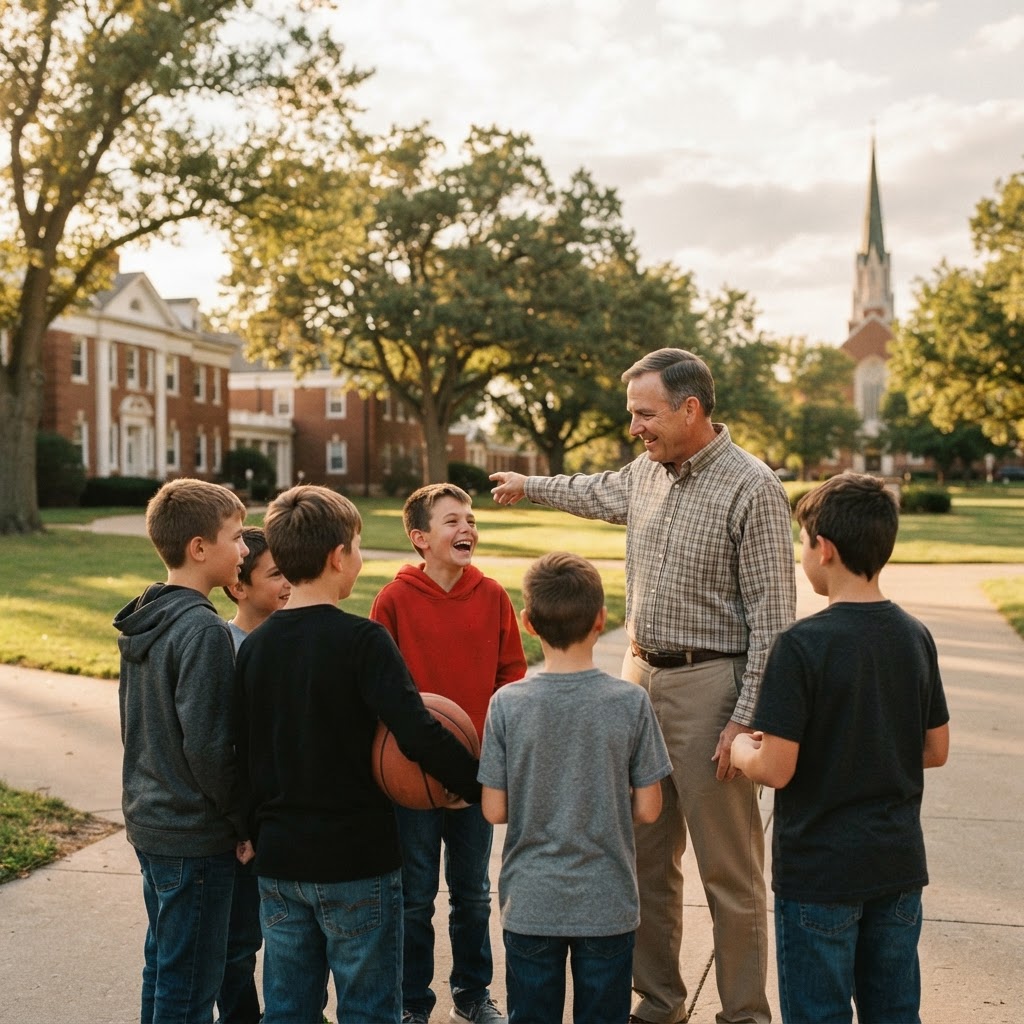
Boys Town: The Story of Father Flanagan's City of Little Men
In 1917, a young Omaha priest borrowed ninety dollars, rented a run-down house, and took in five boys nobody else wanted. What Father Edward Flanagan built from there became its own village west of the city, a movie that won an Oscar, and a nonprofit that still helps kids more than a century later.
Happening in Omaha Soon

Sponsored

Union Life Podcast
Faith, family, and stronger unions — on the Nobility TV Network.
