Omaha History
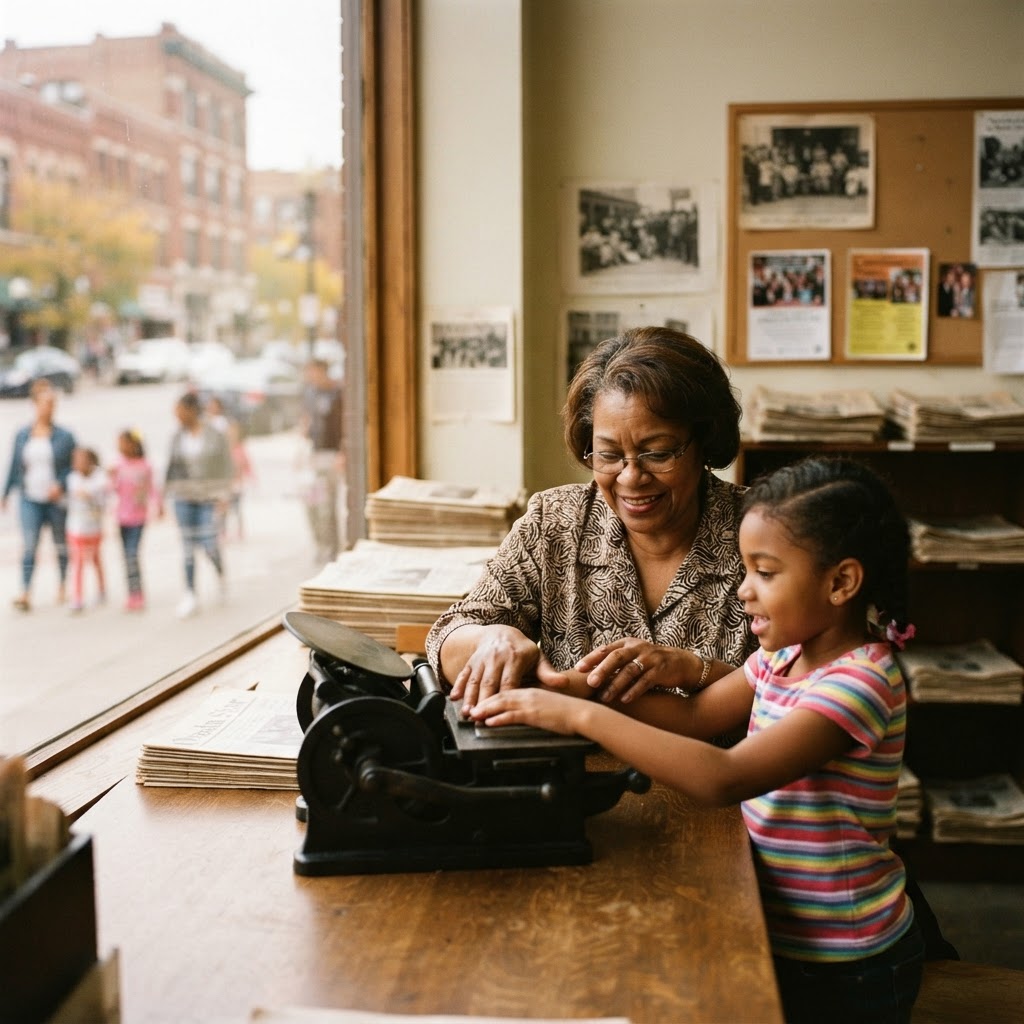
The Omaha Star and Mildred Brown: A Light on North 24th Street
In 1938, a determined young woman named Mildred Brown launched a newspaper that would outlast generations and become the heartbeat of North Omaha's Black community. Discover the story of the Omaha Star, its home on North 24th Street, and the trailblazing publisher who guided it with grace and grit.
On a summer day in 1938, a young woman with boundless energy and a white carnation often pinned to her lapel set out to give North Omaha something it sorely needed: a newspaper that would tell the fuller, truer story of its people. That woman was Mildred Brown, and the paper she helped bring to life, the Omaha Star, first reached readers on July 9, 1938. More than eight decades later, it still arrives each week, making it one of the most remarkable chapters in the history of this proud Nebraska city and a lasting testament to the vision of a publisher who refused to be told what a Black woman could and could not do.
Brown founded the Star alongside her husband, Shirl Edward Gilbert, often known as S. Edward Gilbert, opening the paper's doors at 2216 North 24th Street. That first edition ran five thousand copies and sold for a dime apiece. From the beginning, the Star carried an editorial spirit centered on "joy and happiness," choosing to spotlight the achievements, families, churches, and everyday triumphs of African American life at a time when the wider press too often ignored them or printed only the worst. In an era of segregation, deciding to celebrate a community was itself a quietly radical act, and readers responded by making the Star their own.
When Brown and Gilbert divorced in 1943, Mildred took back her maiden name and full control of the enterprise, becoming founder, publisher, and editor all at once. Over the following decades she steered the paper through enormous change. What had begun as a source of uplifting neighborhood news grew, by the 1950s and 1960s, into a determined voice for civil rights. The Star reported on the struggles and victories of the movement, gave space to local activists, and held a mirror up to a city that did not always want to look. Brown's work earned national notice; President Lyndon B. Johnson commended her coverage during the turbulent 1960s, and she later traveled abroad as a goodwill ambassador. Through it all she kept her office, and for many years her home, at the back of the building on North 24th Street, the very street that served as the commercial and cultural spine of Black Omaha and the home of the celebrated Dreamland Ballroom.
Brown's place in history is genuinely pioneering, and it deserves to be stated with care. She is widely recognized as the founder of the longest-running Black newspaper in the United States established by an African American woman, a distinction that reflects both her trailblazing role and the extraordinary endurance of the paper she built. Running a weekly newspaper is hard, often thankless work, and doing so for fifty-one years, as Brown did until her death in 1989, required a rare blend of business sense, courage, and devotion to community. She belongs in any conversation about Omaha's most influential figures, a list explored further in our piece on famous people from Omaha.
The Star's story did not end with its founder. After Mildred Brown passed away in 1989, her niece, Dr. Marguerita Washington, carried the paper forward, preserving both its mission and its remarkable streak of never missing a weekly edition. That continuity is part of what makes the Omaha Star so meaningful. It links the Omaha of the 1930s to the Omaha of today, threading together generations of readers who found in its pages proof that their lives mattered and their stories were worth telling. The newspaper's longtime home on North 24th Street has come to be cherished as a landmark of that heritage, a place where ink and ideals met week after week.
To walk past that building, or simply to open a copy of the Star, is to feel the steady pulse of a community that has long fought to be seen on its own terms. Mildred Brown understood that a newspaper could be more than a record of events; it could be a gathering place, an advocate, and a source of pride. In that sense, the Omaha Star stands alongside other landmarks of Nebraska's long pursuit of dignity and justice, much as the courtroom drama recounted in our story of the Standing Bear trial did in an earlier age. The white carnation Mildred Brown so often wore has faded into memory, but the light she lit on North 24th Street still shines, a reminder that one person's determination can illuminate a city for generations to come.
Comments
No comments yet — be the first to share your tips!
Leave a Comment
Free: Where Kids Eat Free in Omaha
Our verified guide to 20+ Omaha restaurants where kids eat free (or cheap) — mapped out for every day of the week. Plus our free Thursday newsletter for Omaha families.
Join Omaha families getting the free weekend guide · No spam, unsubscribe anytime.
Read Next
More Omaha stories for your family

Omaha History · Aug 28, 2026
Omaha's New Tallest Building: Mutual of Omaha's Downtown Tower Caps Off 2026
Mutual of Omaha's 44-story downtown headquarters is now the tallest building in Nebraska, and it's set to open this fall. Here's what to know, and why it's worth a family trip downtown during the holidays.
Omaha History · Jul 2, 2026
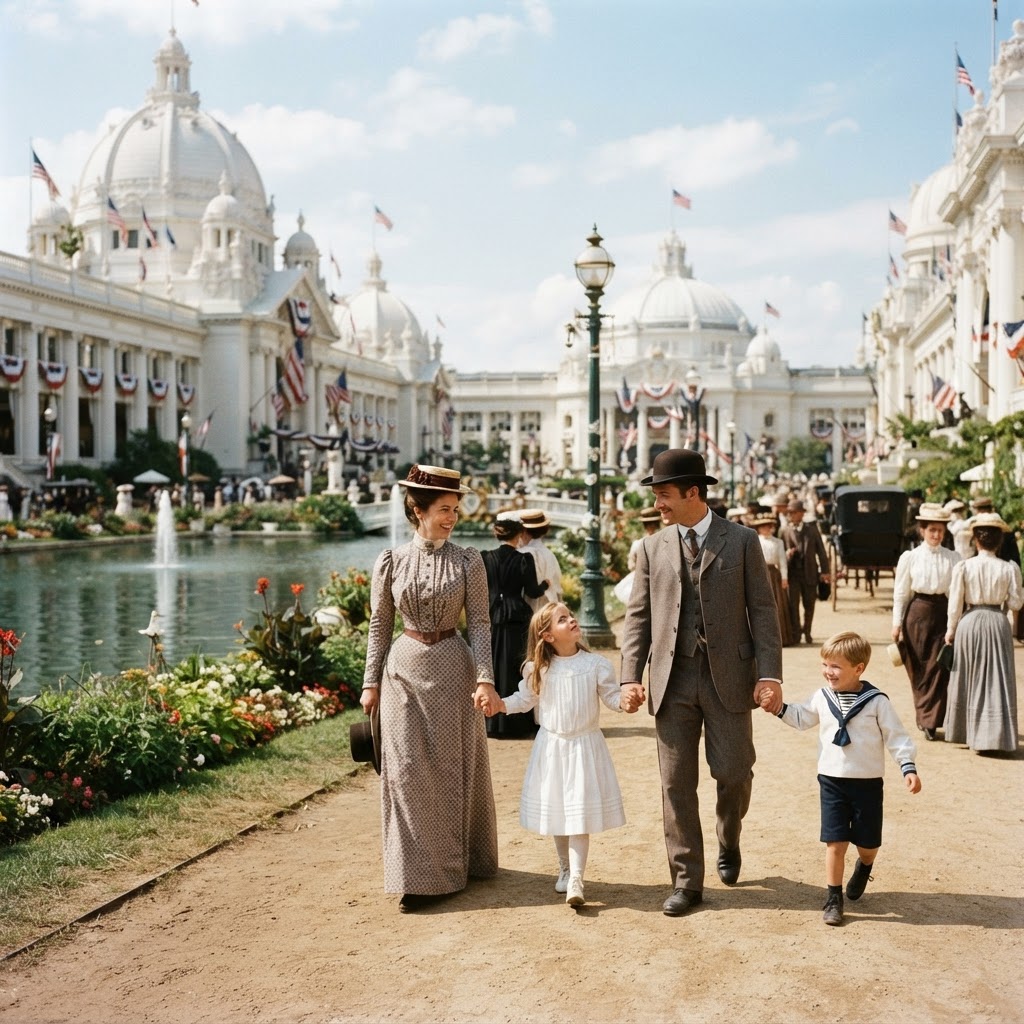
The 1898 Trans-Mississippi Exposition: When the World Came to Omaha
For five months in 1898, a gleaming white city of domes and palaces rose along a lagoon in north Omaha. More than two and a half million people came to see it, including a sitting president. Then it was torn down on purpose, and today a quiet neighborhood park sits right on top of where it stood.

Omaha History · Jul 2, 2026
Boys Town: The Story of Father Flanagan's City of Little Men
In 1917, a young Omaha priest borrowed ninety dollars, rented a run-down house, and took in five boys nobody else wanted. What Father Edward Flanagan built from there became its own village west of the city, a movie that won an Oscar, and a nonprofit that still helps kids more than a century later.
Happening in Omaha Soon



Sponsored

Coffee Hour
Good coffee. Great conversation. Stronger together. Wednesdays at 7am CST.
