Omaha History
How Omaha Became the Cattle Capital of the World
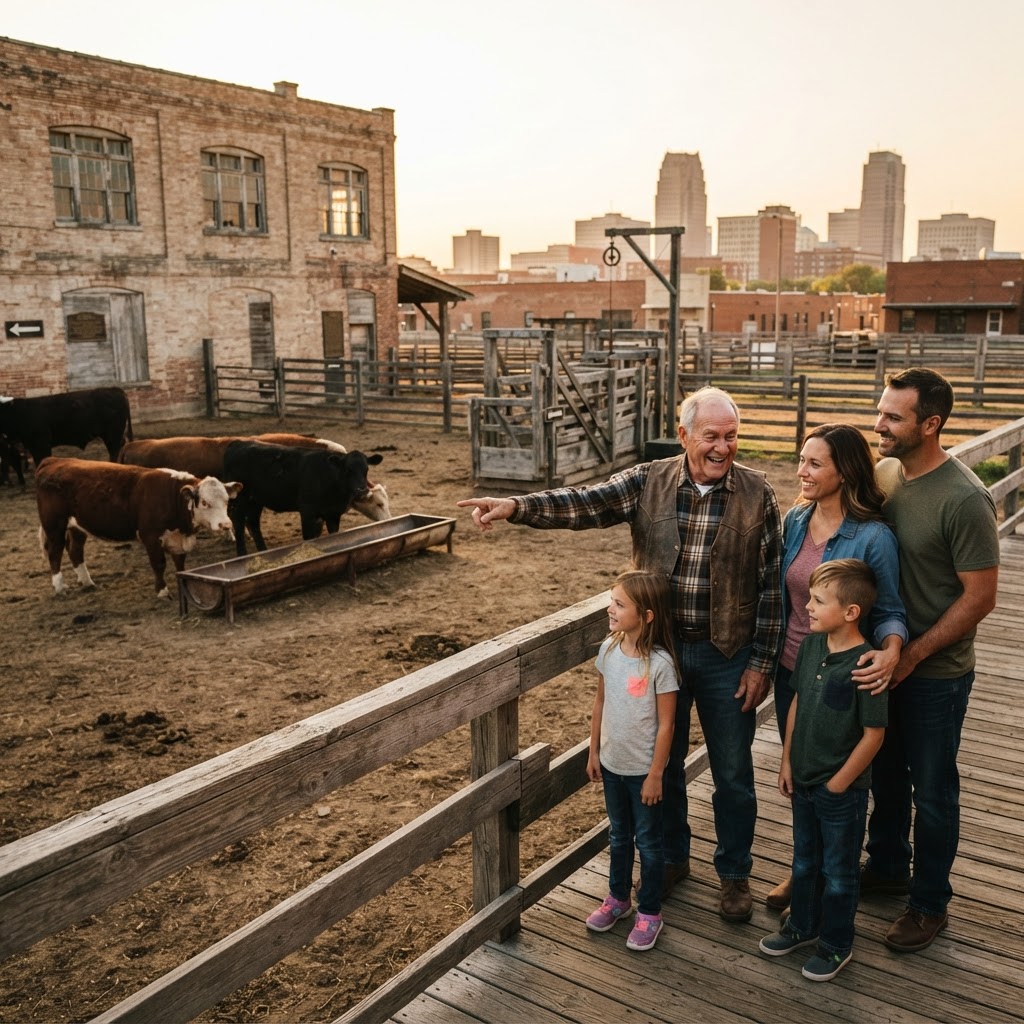
For much of the twentieth century, Omaha was the meatpacking capital of the world, bigger even than Chicago. Here is the story of the Omaha Stockyards, the immigrants who built South Omaha, and the legacy you can still taste today.
If you have ever enjoyed a famous Omaha steak, you have tasted the legacy of one of the most important chapters in the city's history. For much of the twentieth century, Omaha was not just a meatpacking town; it was, for a time, the meatpacking capital of the entire world, surpassing even the mighty Chicago. The story of how a young river city earned that crown is the story of railroads, immigrants, and an enormous district of pens and packinghouses on the city's south side.
It began in 1883, when the Union Stockyards opened in South Omaha. The timing was no accident. Omaha had already become a great railroad hub, the eastern anchor of the transcontinental line, and the railroads made it possible to bring cattle, hogs, and sheep in from across the plains and ship meat back out to feed a growing nation. The stockyards gave all that livestock a place to be bought and sold, and almost overnight, an industry exploded around them.
The great meatpacking companies of the age, names like Armour, Swift, and Cudahy, built sprawling plants right beside the yards, and South Omaha boomed into a city within a city. The work was hard and often grueling, and it drew waves of immigrants hungry for a new start. Poles, Czechs, Irish, Italians, Lithuanians, and many others poured into South Omaha to work the yards and the packinghouses, and they brought their churches, their languages, their food, and their traditions with them. They built tight-knit neighborhoods that gave the area a rich, diverse character it still carries proudly today.
The industry grew so large that in 1955, Omaha achieved something remarkable: it overtook Chicago to become the largest livestock market and meatpacking center in the world. For a city that had begun as a frontier picnic just a century earlier, it was an astonishing rise. Omaha held that world title until 1971, and the stockyards themselves kept running until 1999, when, after one hundred and sixteen years, the great yards finally closed.
The pens and the packinghouses may be mostly gone, but their legacy is everywhere in Omaha. It lives in the city's enduring reputation for outstanding steaks and its beloved steakhouses, a point of genuine local pride. It lives in the historic Livestock Exchange Building, the grand old headquarters of the stockyards that still stands as a landmark. And most of all, it lives in the vibrant neighborhoods of South Omaha, where the descendants of those hardworking immigrant families have kept their cultures alive through festivals, restaurants, churches, and markets that are a joy to explore.
That is the wonderful thing about this history: you can still taste it and walk through it. A visit to South Omaha offers some of the most authentic and flavorful experiences in the city, a living reminder of the immigrant grit and ambition that built Omaha into a world capital. And of course, no trip to the city that fed a nation would be complete without sitting down to a proper Omaha steak.
So when you visit Omaha, take some time to explore this hardworking heritage. Wander South Omaha, sample its incredible food, admire the old Livestock Exchange Building, and raise a fork to the immigrants who made Omaha the cattle capital of the world. Before you come, see everything happening around the city on our Explore Omaha event calendar, and start planning a visit to the city that once fed America.
Comments
No comments yet — be the first to share your tips!
Leave a Comment
Free: Where Kids Eat Free in Omaha
Our verified guide to 20+ Omaha restaurants where kids eat free (or cheap) — mapped out for every day of the week. Plus our free Thursday newsletter for Omaha families.
Join Omaha families getting the free weekend guide · No spam, unsubscribe anytime.
Read Next
More Omaha stories for your family
Omaha History · Aug 28, 2026
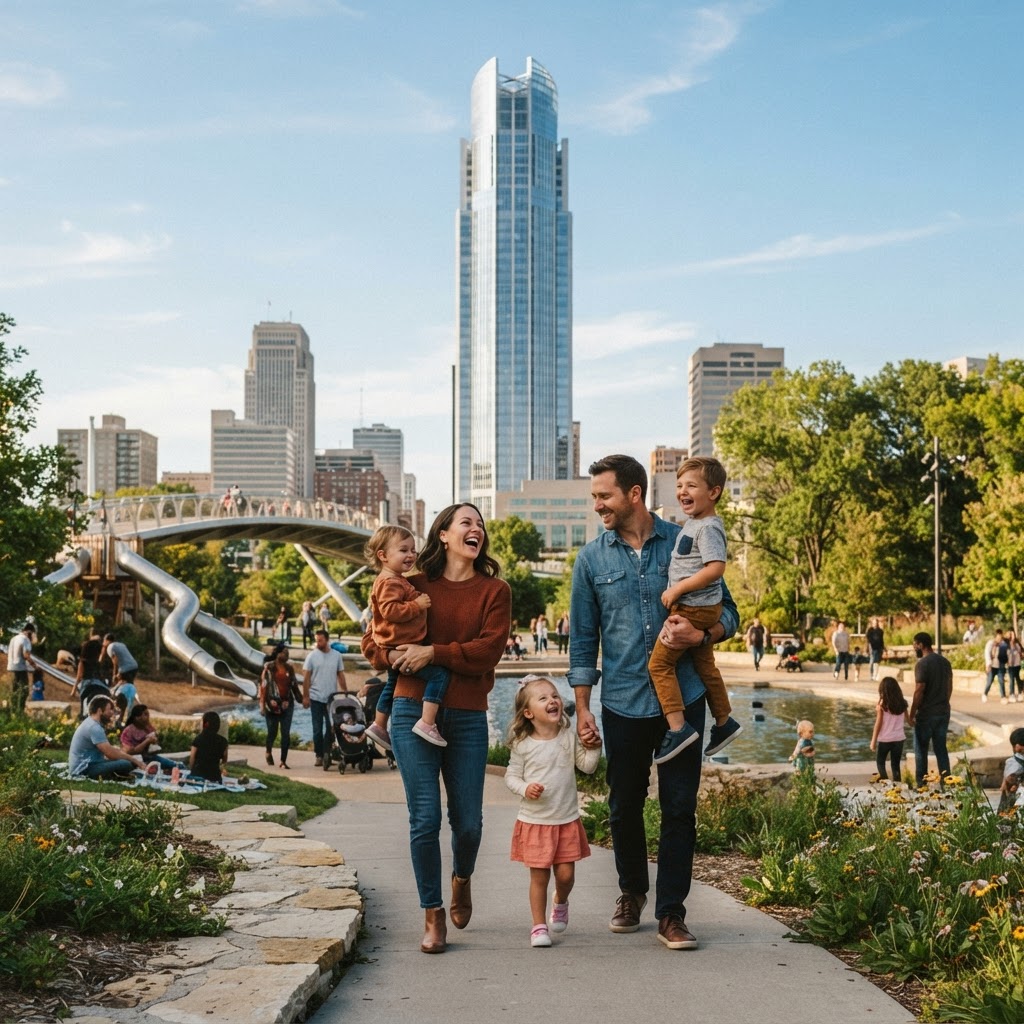
Omaha's New Tallest Building: Mutual of Omaha's Downtown Tower Caps Off 2026
Mutual of Omaha's 44-story downtown headquarters is now the tallest building in Nebraska, and it's set to open this fall. Here's what to know, and why it's worth a family trip downtown during the holidays.
Omaha History · Jul 2, 2026
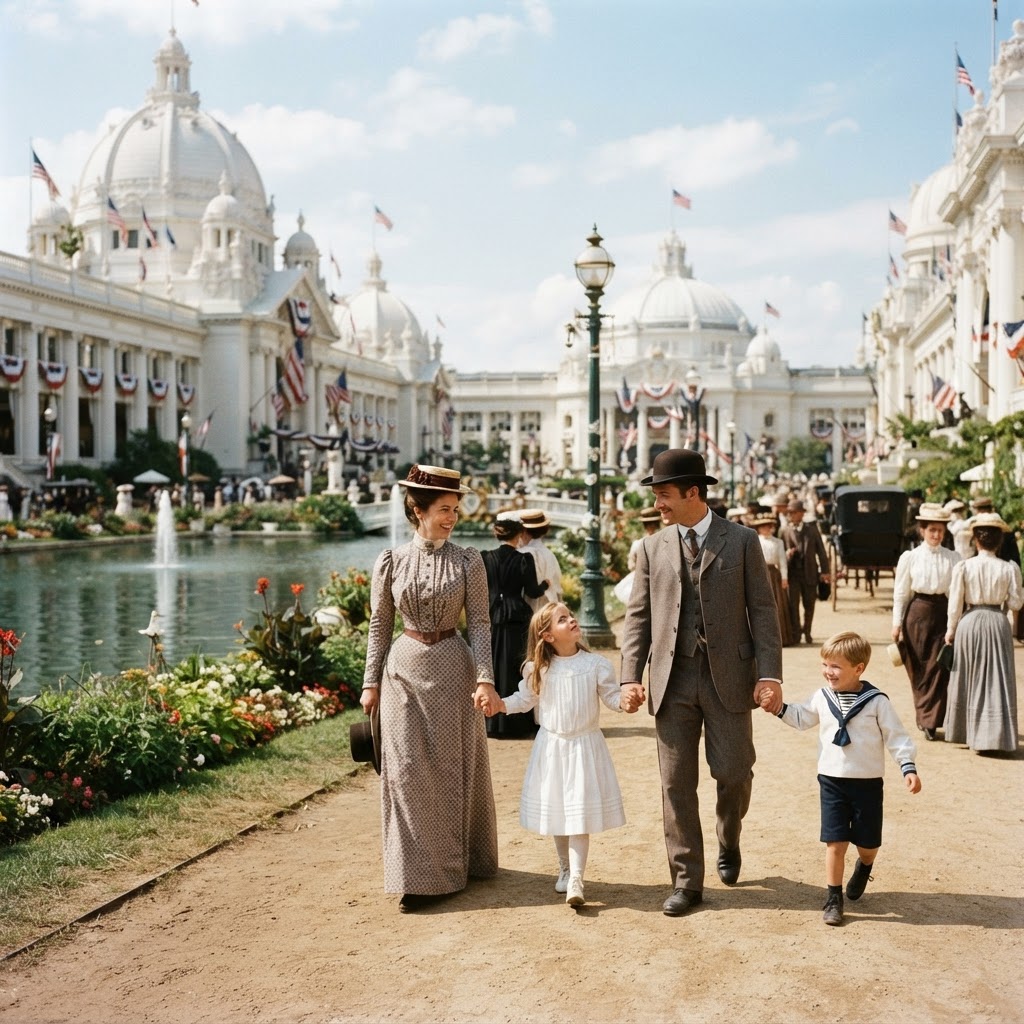
The 1898 Trans-Mississippi Exposition: When the World Came to Omaha
For five months in 1898, a gleaming white city of domes and palaces rose along a lagoon in north Omaha. More than two and a half million people came to see it, including a sitting president. Then it was torn down on purpose, and today a quiet neighborhood park sits right on top of where it stood.
Omaha History · Jul 2, 2026
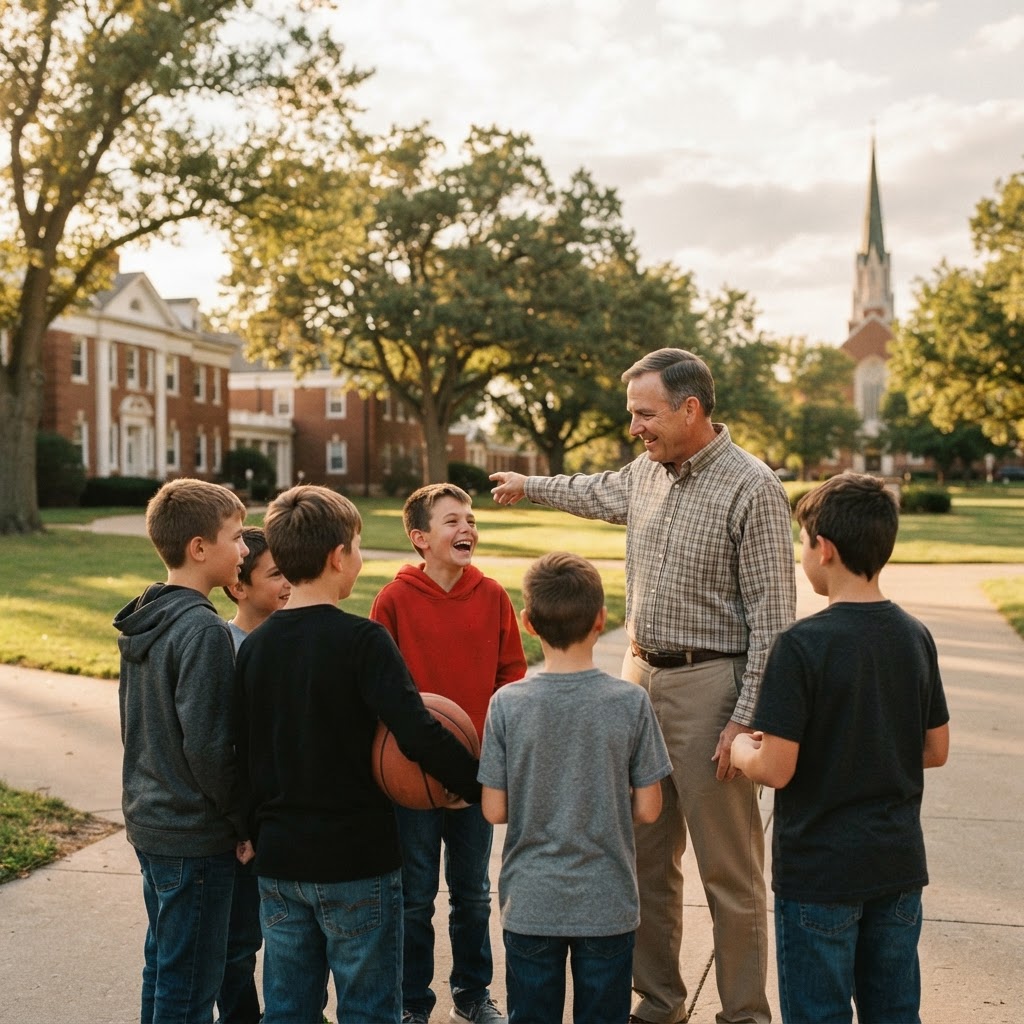
Boys Town: The Story of Father Flanagan's City of Little Men
In 1917, a young Omaha priest borrowed ninety dollars, rented a run-down house, and took in five boys nobody else wanted. What Father Edward Flanagan built from there became its own village west of the city, a movie that won an Oscar, and a nonprofit that still helps kids more than a century later.
Happening in Omaha Soon
Sponsored

Coffee Hour
Good coffee. Great conversation. Stronger together. Wednesdays at 7am CST.
