Omaha History
Peony Park: Omaha's Beloved Lost Amusement Park
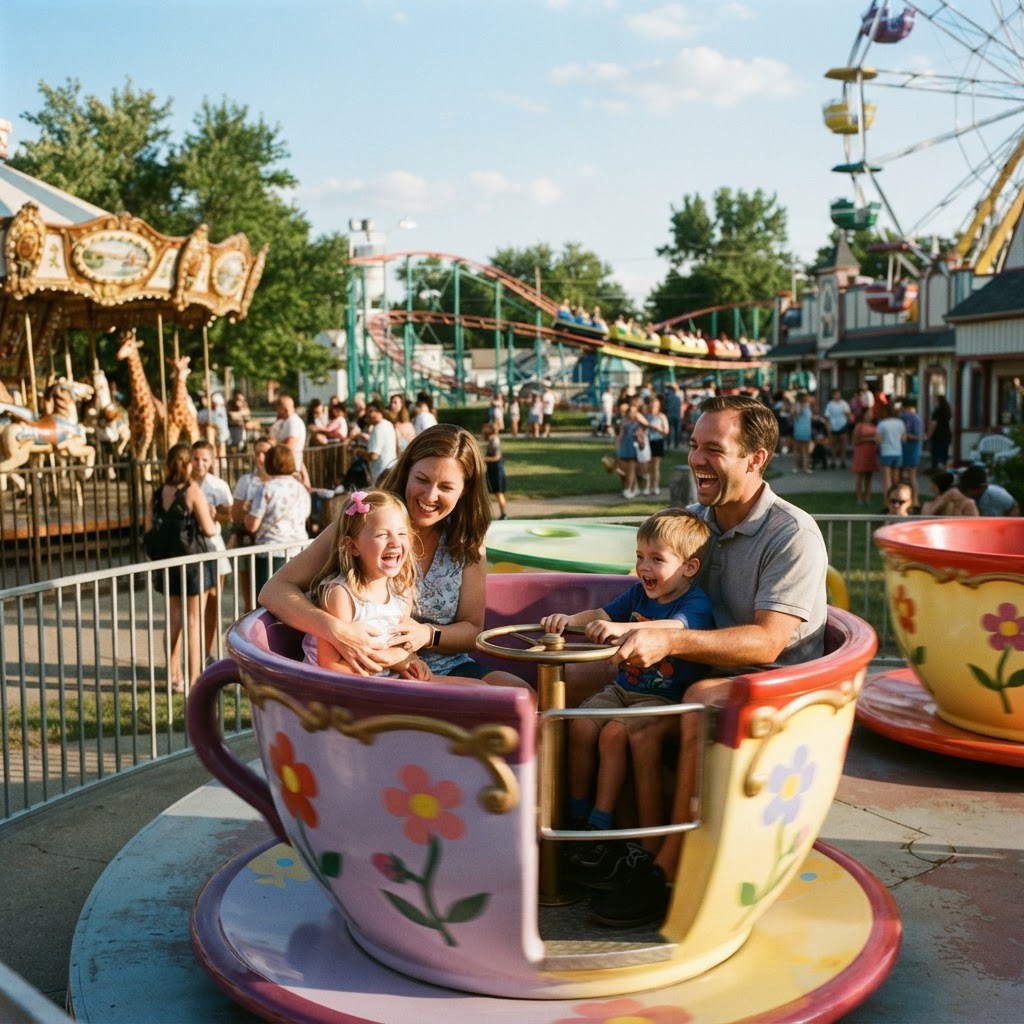
For 75 years, near 78th and Cass, Omaha kids spent their summers at Peony Park. The sand-bottom pool, the big band nights in the ballroom, the roller coaster. It closed in 1994, and a lot of Omaha still misses it.
Ask anyone who grew up in Omaha before the mid-nineties about summer, and there is a good chance Peony Park comes up before you finish the sentence. The smell of the pool. Sunburned shoulders. A cold pop after the roller coaster. For three-quarters of a century, near 78th and Cass, this was where the city went to have fun.
It started small. Back around 1919, the spot was a roadside dance pavilion and picnic grounds on what was then the western edge of town, surrounded by fields of peonies. That is where the name came from, those flowers. Over the years it grew into a full amusement park, and by mid-century it was the place, drawing crowds from all over the metro and beyond.
The pool was the crown jewel. Peony Pool was enormous, an artificial lake really, with an actual sand bottom and a beach you could stretch a towel out on. Generations of Omaha kids learned to swim there. On a hot July afternoon the water was packed shoulder to shoulder, and the snack stands stayed busy from open to close.
Then there was the ballroom. The Royal Grove, on the south side of the grounds, was billed as an acre under one roof, and it hosted the biggest names touring the country. During the swing era the big bands played there, and later on the ballroom kept up with the times, booking rock and pop acts as the music changed. Plenty of Omahans met their future spouse on that dance floor. It sat in the same tradition as other great local dance halls, like the Dreamland Ballroom in North Omaha, where the city danced through the jazz age.
There is a harder chapter in the park's story, and it matters. For decades the pool at Peony Park was whites-only. That was not just wrong, it was against Nebraska law. Back in 1955, the park turned away two Black swimmers who had come to compete in an amateur swim meet, and Peony Park was taken to court and fined. Even so, the pool stayed segregated for another eight years.
That finally changed in 1963. It changed because young people made it change. A Black airman from Offutt named Fred Winthrop was refused entry to the pool that June, and the local NAACP Youth Council, with teenager Archie Godfrey among those leading the way, took up the fight. They picketed outside the gates through the summer. They kept showing up. The pressure worked, and on July 26, 1963, ten Black youths swam in the Peony Park pool for the first time, and by the end of that summer the park was open to everyone. If you want the full account, History Nebraska has documented it well in their piece on the 1963 protest. It is worth reading. Those teenagers changed the city, and Peony Park is where one of those battles was won. It belongs in the same conversation as Omaha's other civil rights milestones, like the Standing Bear trial that reshaped the law itself.
For a few more decades, the park rolled on. There were rides, a wooden roller coaster, a merry-go-round, bumper cars, kiddie attractions, and those long summer evenings under the lights. It was the kind of place families came back to year after year, where the parents had their own memories of the same rides.
But times were changing. Bigger regional theme parks pulled crowds away. The old rides needed constant, expensive upkeep. The land itself, sitting on prime real estate as the city grew west, became worth more as something else. The owners filed for bankruptcy protection in the early nineties, and the end came fast. The pool closed after the 1993 season. The ballroom hosted its last dance in the spring of 1994, fittingly with the Tommy Dorsey Orchestra playing the kind of big-band music the place had been built on. Then the gates closed for good, and the bulldozers came.
Today, if you drive to 78th and Cass, you will find a shopping center anchored by a Whole Foods, with stores and parking where the pool and the ballroom used to be. There is almost nothing left to tell you what stood there. You have to know.
And a whole lot of Omaha does know. Mention Peony Park to someone of a certain age and watch their face. They will tell you about the sand bottom, the diving boards, the night they danced in the Royal Grove. It is gone, but it is not forgotten, and that counts for something. For more of the stories behind Omaha's landmarks, past and present, and to find something to do this weekend, browse our Explore Omaha event calendar.
Comments
No comments yet — be the first to share your tips!
Leave a Comment
Free: Where Kids Eat Free in Omaha
Our verified guide to 20+ Omaha restaurants where kids eat free (or cheap) — mapped out for every day of the week. Plus our free Thursday newsletter for Omaha families.
Join Omaha families getting the free weekend guide · No spam, unsubscribe anytime.
Read Next
More Omaha stories for your family
Omaha History · Aug 28, 2026
Omaha's New Tallest Building: Mutual of Omaha's Downtown Tower Caps Off 2026
Mutual of Omaha's 44-story downtown headquarters is now the tallest building in Nebraska, and it's set to open this fall. Here's what to know, and why it's worth a family trip downtown during the holidays.
Omaha History · Jul 2, 2026
The 1898 Trans-Mississippi Exposition: When the World Came to Omaha
For five months in 1898, a gleaming white city of domes and palaces rose along a lagoon in north Omaha. More than two and a half million people came to see it, including a sitting president. Then it was torn down on purpose, and today a quiet neighborhood park sits right on top of where it stood.

Omaha History · Jul 2, 2026
Boys Town: The Story of Father Flanagan's City of Little Men
In 1917, a young Omaha priest borrowed ninety dollars, rented a run-down house, and took in five boys nobody else wanted. What Father Edward Flanagan built from there became its own village west of the city, a movie that won an Oscar, and a nonprofit that still helps kids more than a century later.
Happening in Omaha Soon


Sponsored
Union Life Podcast
Faith, family, and stronger unions — on the Nobility TV Network.
